
Why Visit Dakhla?
Dakhla is one of Morocco’s most distinctive destinations. Remote, open, and shaped by the meeting of desert and ocean, it offers a sense of space that few places can match. Unlike historic imperial cities or busy coastal hubs, Dakhla feels expansive and quiet, defined by nature more than by monuments.
People visit Dakhla to experience distance and clarity. The city attracts travelers who value calm landscapes, wide horizons, and a slower rhythm of life. Dakhla is worth visiting for its atmosphere of openness, its strong connection to the Atlantic, and the feeling of being at the edge of both land and continent.
Where Is Dakhla & Why Its Location Matters
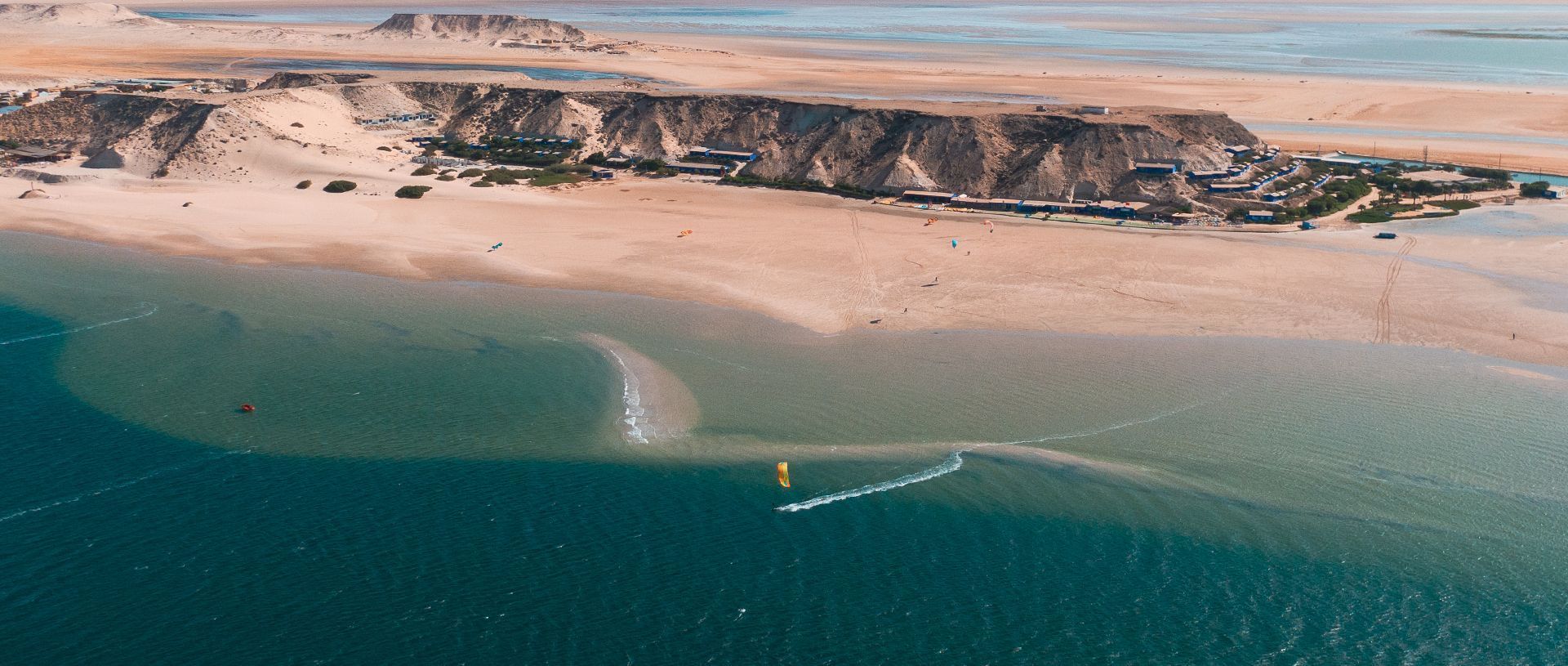
Dakhla is located in southern Morocco on a narrow peninsula that extends into the Atlantic Ocean. It lies between open ocean waters on one side and a protected lagoon on the other. This geography defines the city’s identity.
The peninsula creates a unique natural environment where desert winds, ocean currents, and calm waters coexist. The surrounding Sahara shapes lifestyle, architecture, and movement, while the Atlantic provides resources, climate moderation, and connection to the wider world.
Because of its distance from major population centers, Dakhla developed differently from northern cities. Its isolation explains its calm atmosphere, low density, and strong relationship with natural surroundings.
Short but Meaningful History & Cultural Context
Dakhla’s history is closely linked to trade, fishing, and coastal navigation. For centuries, the region served as a point of contact between Saharan routes and Atlantic maritime paths. Local populations adapted to harsh desert conditions while maintaining ties to the sea.
Modern development in Dakhla increased during the twentieth century, when infrastructure, administration, and settlement expanded. Despite this growth, the city retained a modest scale and practical layout.
Cultural life in Dakhla reflects Saharan traditions, Amazigh and Arab influences, and coastal livelihoods. History here is less about monuments and more about adaptation, movement, and survival in a demanding environment.
Atmosphere & Daily Life
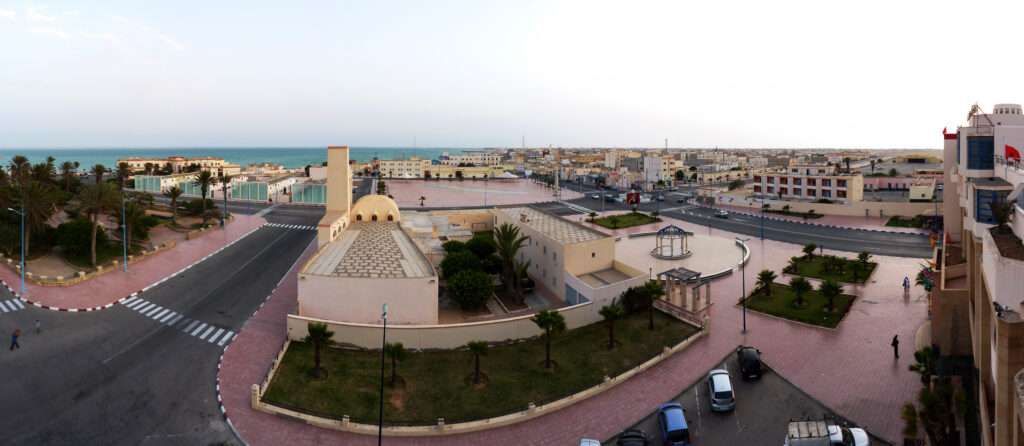
Daily life in Dakhla is calm and steady. Mornings begin quietly, with activity spreading gradually across neighborhoods and coastal areas. The city does not rush, and schedules are shaped by weather, daylight, and work rhythms rather than pressure.
Movement is simple, and traffic is limited compared to larger cities. Sounds are minimal, often dominated by wind, distant waves, and everyday conversation. The sense of space influences behavior, encouraging patience and simplicity.
Moroccan expressions such as salam alaykoum, labas?, and bslama are part of daily interaction, reflecting respectful and direct social habits.
Culture, Traditions & Local Mentality
Dakhla reflects a Saharan coastal mentality shaped by resilience and openness. Community ties are strong, and hospitality is valued, especially in a region where cooperation has long been essential.
Traditions are practical rather than ceremonial. Daily life centers on work, family, and adaptation to environment. Religious and cultural practices remain present but blend naturally into routine rather than dominating public space.
Visitors often experience Dakhla as welcoming but discreet. Calm behavior, respect, and patience are appreciated and usually returned with kindness.
Weather & Best Time to Travel
Dakhla has a desert coastal climate. Temperatures remain relatively stable throughout the year, moderated by the Atlantic Ocean. Summers are warm but rarely extreme, while winters are mild.
Wind is a defining feature of the region and shapes daily life. Rainfall is very limited. Because of this consistency, Dakhla can be visited year-round without major seasonal disruption.
Weather plays a central role in the city’s rhythm and reinforces its outdoor-oriented lifestyle.
How to Get to Dakhla
Dakhla is accessible by air and long-distance road connections. Due to its remote location, travel times are longer than to northern cities, but access is organized and reliable.
Its distance contributes to the feeling of separation that many visitors value.
Getting Around & Transport
Dakhla is easy to navigate. Distances within the city are manageable, and movement is generally straightforward. Walking works in central areas, while local transport and road travel connect outer zones.
The city’s layout reflects functionality rather than density, making orientation simple.
Accommodation in Dakhla
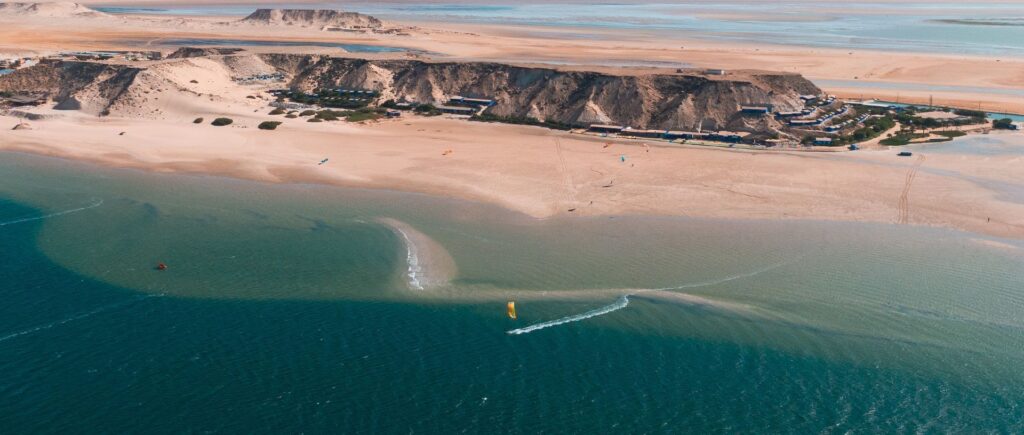
Accommodation in Dakhla reflects its coastal and desert setting. Different areas offer different levels of proximity to the lagoon, ocean, or urban center.
Where someone stays influences views, exposure to wind, and daily rhythm more than access to services.
Perfect Holiday Duration in Dakhla
Dakhla suits travelers who prefer time and stillness. Short stays offer an introduction to its atmosphere, while longer stays allow visitors to fully adapt to its pace and environment.
The city rewards those who slow down and observe rather than rush.
Dakhla Dress Code & Culture
Dress in Dakhla is practical and adapted to climate. Light clothing, layers for wind, and modest styles are common.
Respectful dress is appreciated, especially in residential areas. Comfort and functionality matter more than fashion.
Dakhla for Solo Travelers, Couples & Families
Dakhla is suitable for different travel styles. Solo travelers often appreciate its safety and clarity. Couples enjoy the sense of space and quiet, while families benefit from calm surroundings and predictable routines.
The city’s small scale helps visitors feel oriented and secure.
Safety Awareness in Dakhla
Dakhla is considered a safe destination. Serious crime is rare, and daily life is calm and structured. The strong sense of community contributes to security.
Basic awareness is sufficient, and most visitors feel comfortable moving around the city.
Most Popular Excursions from Dakhla
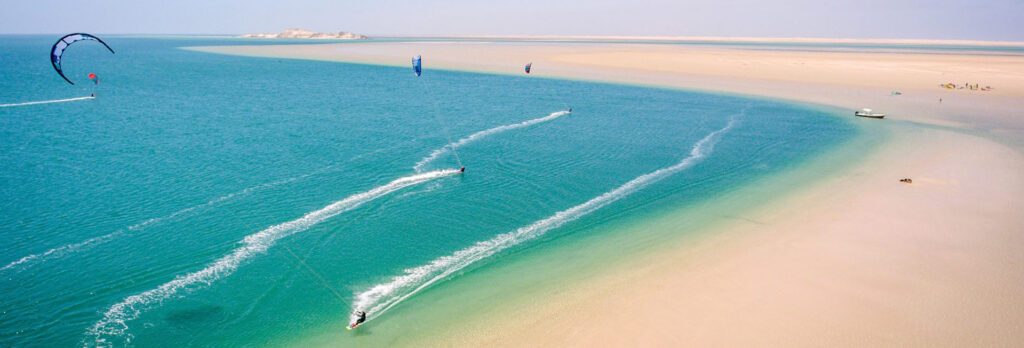
The surroundings of Dakhla include desert landscapes, coastal stretches, and open natural spaces. These environments highlight the region’s geography and isolation.
Excursions add context to understanding Dakhla as a place shaped by nature rather than urban development.
Final Reflection – Why Dakhla Is Worth Understanding
Dakhla is defined by distance, space, and balance between desert and ocean. It is not a city of spectacle, but one of clarity and calm. Understanding Dakhla means appreciating how people live at the edge of land, adapting to nature with simplicity and resilience.
For travelers seeking openness, silence, and a different perspective on Morocco, Dakhla offers a rare and meaningful experience at the country’s southern frontier.

Leave a Reply