
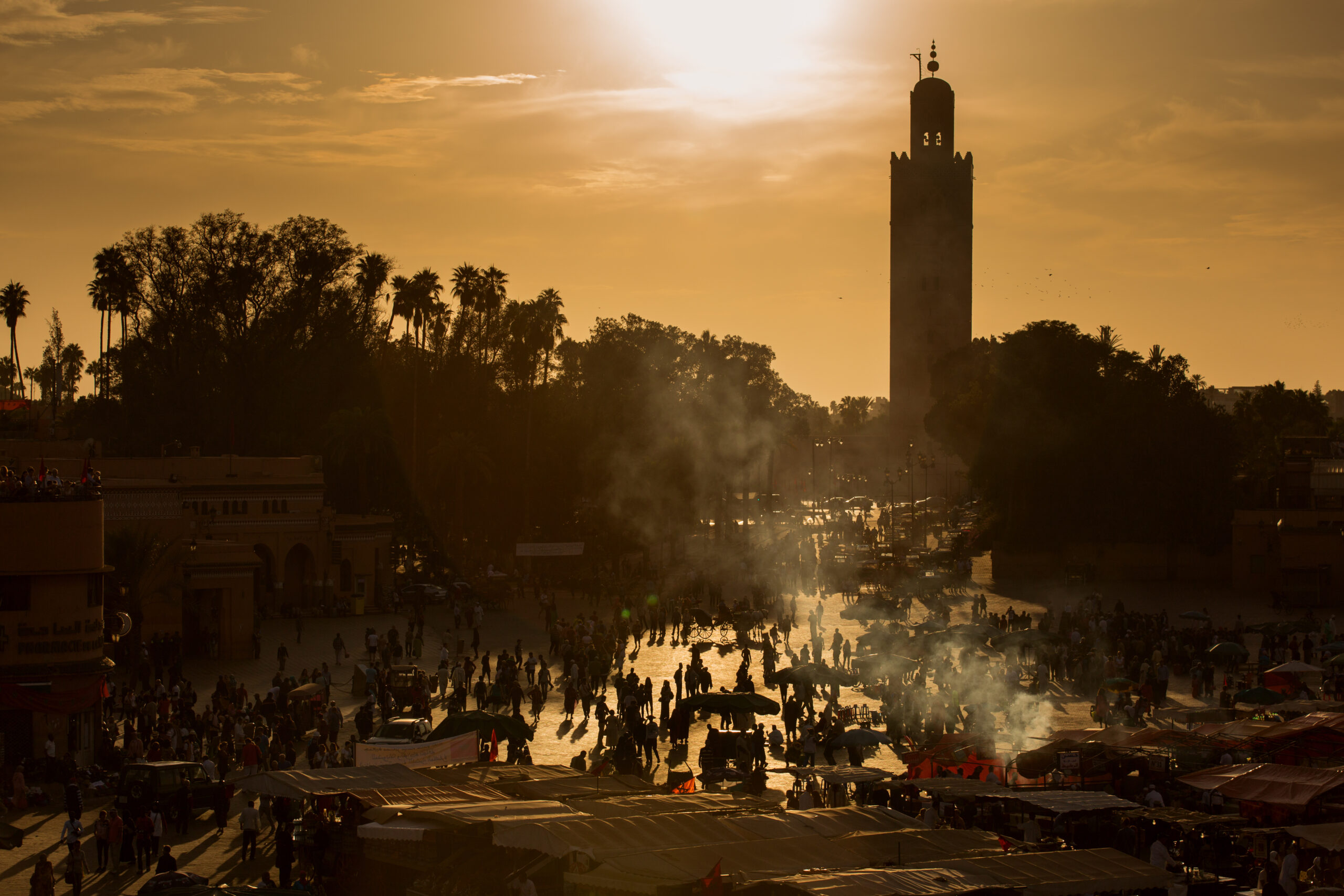
Morocco is a country of contrasts. The Atlantic coast, the Atlas Mountains, the Sahara Desert, and historic inland cities all follow different climate patterns. Because of this diversity, there is no single “perfect” time to visit Morocco. The best time depends on what you want to experience: comfortable temperatures, fewer crowds, specific festivals, or better prices.
This guide explains Morocco’s seasons clearly and realistically, helping you plan a balanced trip in 2026 without unrealistic expectations.
Understanding Morocco’s Climate Differences
Before choosing travel dates, it is important to understand that Morocco does not have one unified climate.
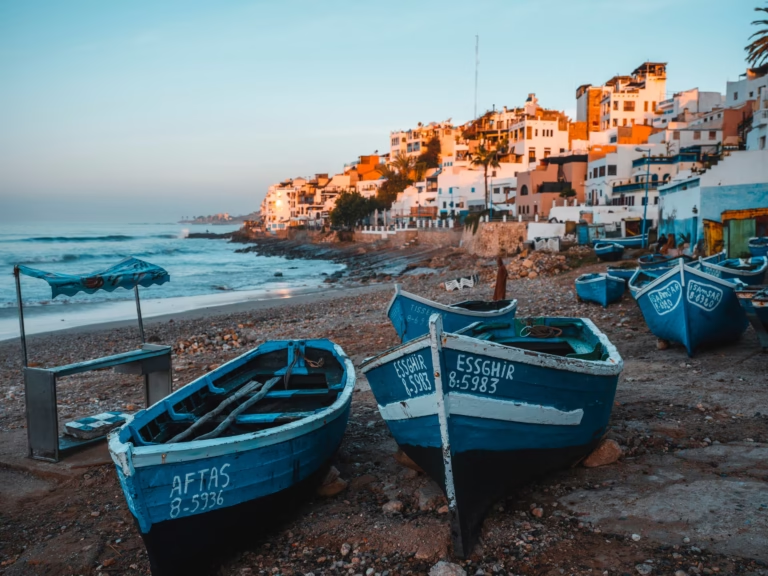
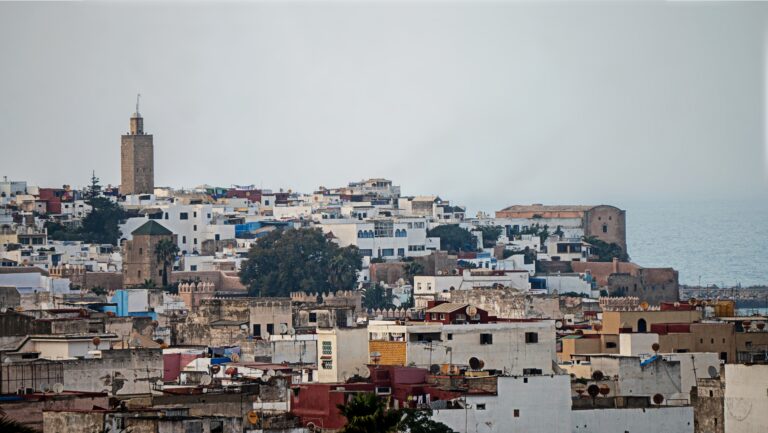
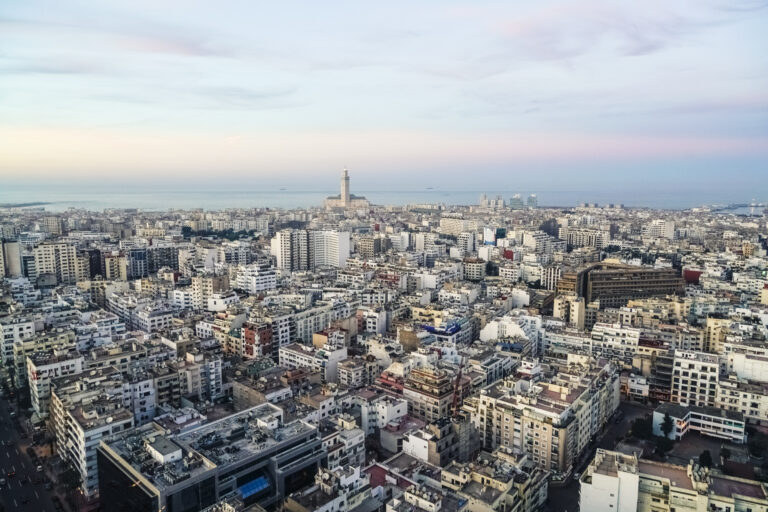
– Coastal cities such as Casablanca, Rabat, and Essaouira stay milder due to Atlantic influence.
– Inland cities like Marrakesh and Fez experience hotter summers and cooler winters.
– Mountain areas can become cold in winter.
– Desert regions have extreme temperature differences between day and night.
Because of these variations, the “best time” depends heavily on your route.
Spring (March to May): Balanced and Widely Recommended
Spring is often considered one of the best times to visit Morocco. Temperatures are moderate across most regions, making travel between cities, mountains, and desert areas more comfortable.
Inland cities feel warm but not extreme. Coastal areas remain fresh. Landscapes in mountain and rural regions appear greener than in summer.
Crowds begin to increase, especially in popular cities such as Marrakesh and Fez, but they are usually manageable. Prices may rise slightly compared to winter but often remain reasonable.
Spring suits travelers who want overall balance across different regions.
Summer (June to August): Hot Inland, Cooler Coast
Summer in Morocco brings strong heat to inland cities and desert areas. Marrakesh and Fez can experience very high daytime temperatures. Travel in these areas requires realistic planning, slower pacing, and midday rest.
However, coastal cities benefit from Atlantic breezes. Casablanca and Essaouira often feel more comfortable than inland destinations. This is why many domestic travelers move toward the coast during summer.
Crowds increase, especially in July and August. Prices for coastal accommodation may rise during this period.
Summer works best for travelers who focus on coastal cities or are comfortable adapting to heat.
Autumn (September to November): Calm and Comfortable
Autumn is often underrated but very pleasant. Temperatures begin to soften after summer, especially inland. Desert regions become more manageable compared to peak heat.
Crowds typically decrease after the summer peak, and the atmosphere in major cities feels calmer. Prices can stabilize, especially outside school holiday periods.
Autumn suits travelers who want good weather with fewer visitors and a more relaxed urban rhythm.
Winter (December to February): Mild Coast, Cool Inland
Winter in Morocco is milder than in many European countries, especially along the coast. Casablanca, Rabat, and other Atlantic cities remain moderate, though rain is more frequent.
Inland cities can become cool, particularly in the evenings. Mountain areas may experience snow, and desert nights can feel very cold even if daytime temperatures are comfortable.
Crowds are lower in many destinations, and prices are often more flexible outside holiday periods. Winter works well for travelers who prefer fewer tourists and do not mind cooler evenings.
Festivals and Cultural Events
Morocco hosts cultural and religious events throughout the year. Dates of religious events vary because they follow the Islamic lunar calendar. During Ramadan, daily rhythm changes: daytime becomes quieter, and evenings become more active.
Some music and cultural festivals take place in cities such as Fez and Essaouira, attracting international visitors. These events can increase short-term accommodation demand and prices.
If festivals matter to you, checking dates in advance helps avoid surprises.
Crowds: When Morocco Feels Busy
Morocco’s busiest periods typically include:
– European school holidays
– July and August along the coast
– Major international festivals
– Winter holidays in December
Popular cities such as Marrakesh, Fez, and Chefchaouen tend to feel more crowded during these times. Coastal towns may also experience higher domestic travel during summer.
If you prefer quieter travel, shoulder seasons like spring and autumn often provide better balance.
Prices: When Travel Costs Shift
Prices in Morocco change mainly due to:
– Seasonal demand
– Festival periods
– Coastal summer popularity
– International holiday travel
Accommodation costs usually reflect these patterns. Transport prices remain relatively stable, but availability can decrease during peak travel times.
Travelers who prioritize lower prices often choose late autumn or winter outside major holidays.
So, When Is the Best Time to Visit Morocco?
For many travelers, spring and autumn offer the best overall balance of weather, manageable crowds, and moderate pricing. Summer works well for coastal-focused trips, while winter suits travelers who prefer quieter cities and do not mind cooler temperatures.
There is no universally perfect month. The best time to visit Morocco depends on your route, comfort with temperature, and travel style.
Frequently Asked Questions
What is the best month to visit Morocco?
Many travelers prefer April, May, September, and October because temperatures are generally balanced across regions.
Is Morocco too hot in summer?
Inland cities can become very hot, while coastal areas remain more comfortable due to Atlantic influence.
Is winter a good time to travel to Morocco?
Yes, especially for coastal cities and travelers who prefer fewer crowds, though evenings can be cool inland.
When are crowds highest in Morocco?
July, August, and major international holiday periods usually bring the highest visitor numbers.
Do festivals affect prices in Morocco?
Yes. During major festivals or popular cultural events, accommodation demand can rise and prices may increase temporarily.
Is there one perfect season for the entire country?
No. Morocco has varied climate zones, so the ideal season depends on which regions you plan to visit.

Leave a Reply