
Why Visit Chefchaouen?
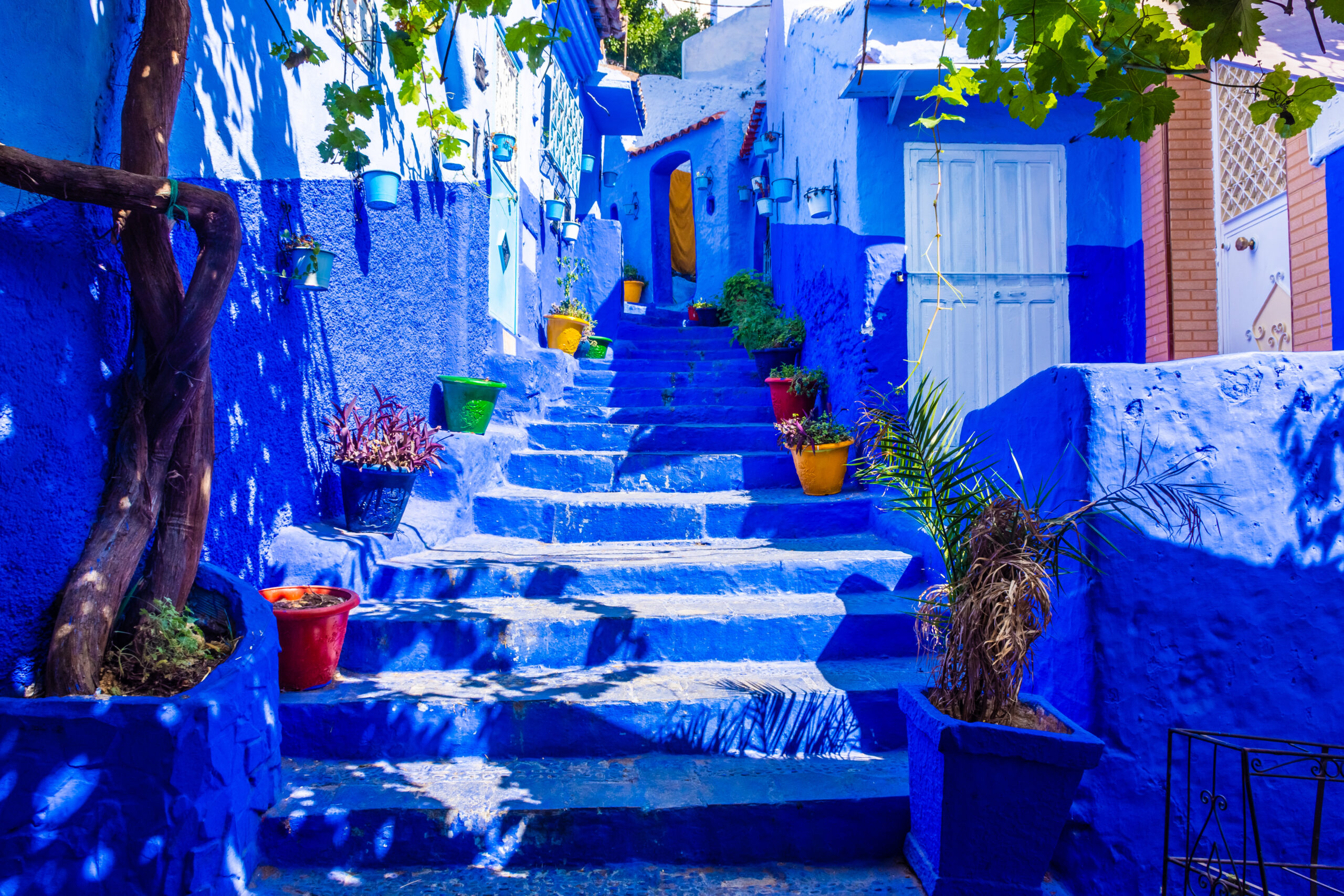
Chefchaouen is one of Morocco’s most distinctive cities. Nestled in the Rif Mountains, it is known for its calm atmosphere, blue-painted streets, and slower rhythm of life. Unlike large urban centers, Chefchaouen feels intimate and human in scale, offering space to breathe and observe.
People visit Chefchaouen to experience a quieter side of Morocco. The city attracts travelers who value simplicity, landscape, and daily life rather than intensity or speed. Chefchaouen is worth visiting for its balance between nature and culture, and for the sense of calm it offers within a deeply Moroccan setting.
Where Is Chefchaouen & Why Its Location Matters
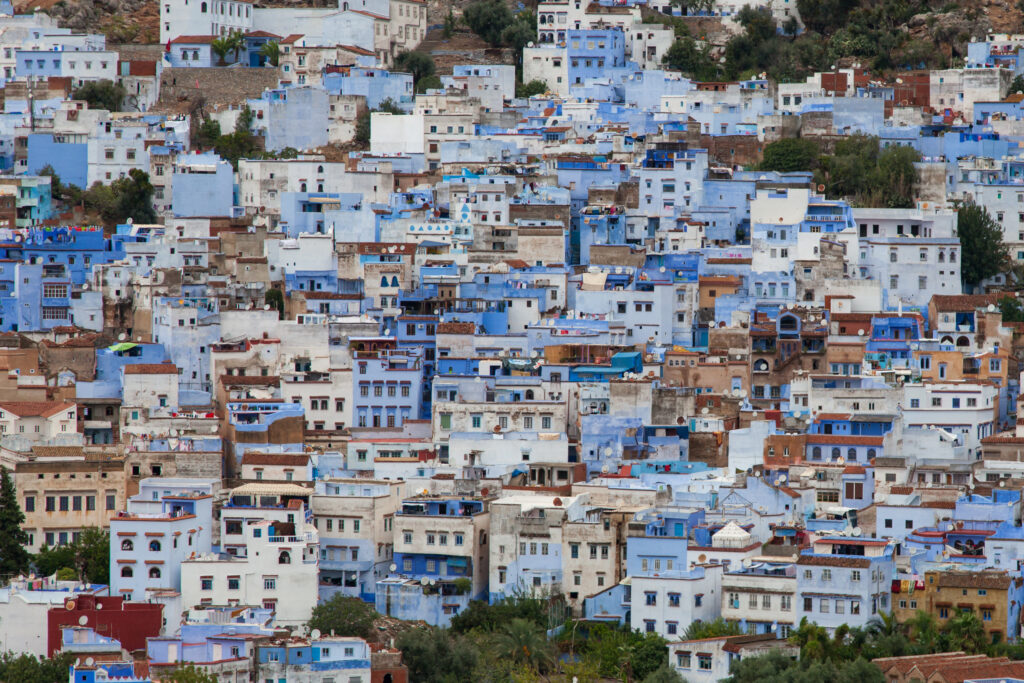
Chefchaouen is located in northern Morocco, in the heart of the Rif Mountains. Its mountain position shapes everything about the city, from climate and architecture to lifestyle and movement.
Historically, the mountains provided protection and isolation. This allowed Chefchaouen to develop a strong local identity, influenced by Andalusian and Amazigh heritage. The surrounding hills and valleys continue to influence daily routines, with nature always close and visible.
The city’s elevation brings cooler temperatures compared to coastal and southern cities. Its geographic isolation explains why Chefchaouen feels more relaxed and less hurried than many other Moroccan destinations.
Short but Meaningful History & Cultural Context
Chefchaouen was founded in the late 15th century as a fortified settlement. It became a place of refuge for Muslims and Jews fleeing the Iberian Peninsula after the Reconquista, which shaped its cultural and architectural character.
For centuries, Chefchaouen remained relatively closed to outsiders. This isolation helped preserve traditions, religious practices, and a strong sense of community. Only in the modern era did the city begin to open gradually to visitors.
The tradition of painting buildings in shades of blue developed over time and became part of the city’s identity. Today, Chefchaouen’s history reflects protection, resilience, and cultural continuity rather than expansion or power.
Atmosphere & Daily Life
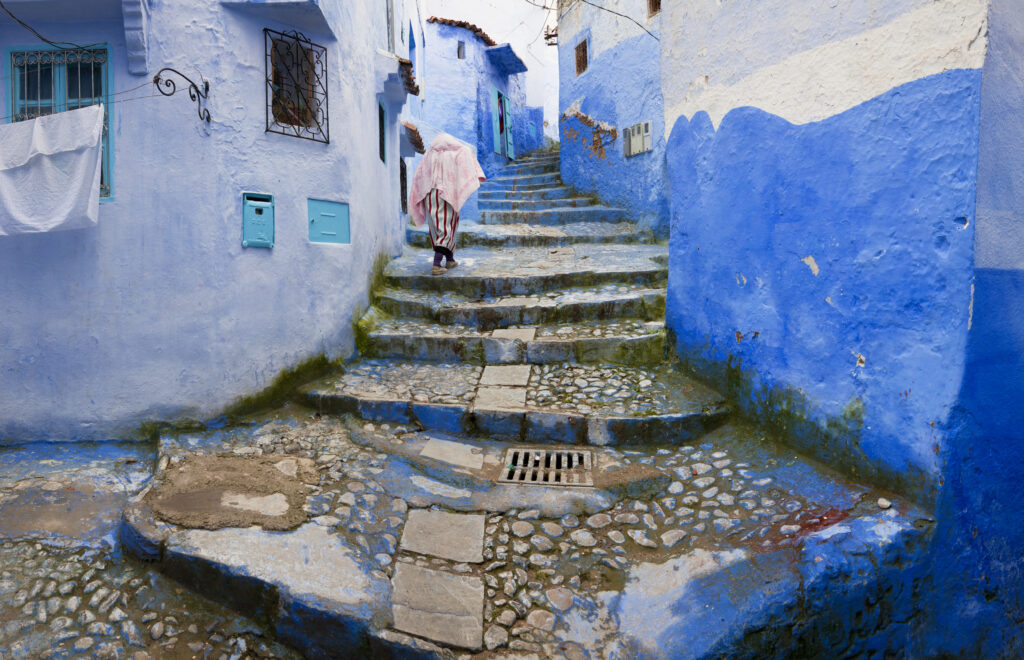
Daily life in Chefchaouen moves slowly. Mornings begin quietly, with small shops opening and residents starting their routines. The pace remains gentle throughout the day, shaped by walking rather than traffic.
The medina is compact and easy to navigate. Homes, shops, cafés, and public spaces exist close together, creating frequent but calm interaction. Sounds are soft, often limited to conversation, footsteps, and distant calls to prayer.
Local expressions such as salam alaykoum, labas?, and bslama are heard regularly, reflecting polite and friendly social habits. Chefchaouen feels personal rather than crowded.
Culture, Traditions & Local Mentality
Chefchaouen reflects a conservative and respectful local mentality influenced by mountain life and religious tradition. Family ties are strong, and social behavior tends to be modest and reserved.
Amazigh heritage plays an important role in the surrounding region, influencing language, food, and customs. Traditions are practiced quietly as part of everyday life rather than as public displays.
Visitors often experience Chefchaouen as welcoming but discreet. Calm behavior, respectful dress, and patience are appreciated and usually met with kindness.
Weather & Best Time to Travel
Chefchaouen has a Mediterranean mountain climate. Summers are warm but not extreme, while winters are cooler and can be rainy. Nights are often fresh due to elevation.
Spring and autumn usually offer comfortable conditions. Weather changes can happen quickly in the mountains, influencing daily rhythm and outdoor activity.
Understanding this climate helps travelers adapt their pace and clothing choices naturally.
How to Get to Chefchaouen
Chefchaouen is accessible by road from major northern cities. Its mountain location means travel takes longer compared to coastal destinations, but the journey reflects the region’s landscape.
The city’s relative isolation contributes to its calm atmosphere and limited traffic.
Getting Around & Transport
Chefchaouen is best explored on foot. The medina is compact, and walking allows visitors to move at the same pace as local life.
Motorized transport is limited within the old city, reinforcing the city’s quiet and pedestrian-friendly character.
Safety Awareness in Chefchaouen
Chefchaouen is considered one of Morocco’s safest cities. Serious crime is rare, and daily life feels predictable and calm.
Basic awareness is sufficient. The city’s close-knit community and slow pace contribute to a strong sense of security.
Most Popular Excursions from Chefchaouen
Chefchaouen’s surroundings include mountain paths, rural villages, and natural landscapes. These environments reflect the region’s connection to nature and traditional life.
The nearby countryside adds depth to understanding the city’s identity.
Final Reflection – Why Chefchaouen Is Worth Understanding
Chefchaouen is not a city of intensity or speed. It is a place shaped by mountains, history, and quiet continuity. Understanding Chefchaouen means appreciating calm, simplicity, and the value of daily life lived close to nature.
For travelers seeking balance, reflection, and authenticity, Chefchaouen offers a rare and meaningful experience within Morocco’s diverse landscape.

Leave a Reply