
Why Visit Agadir?
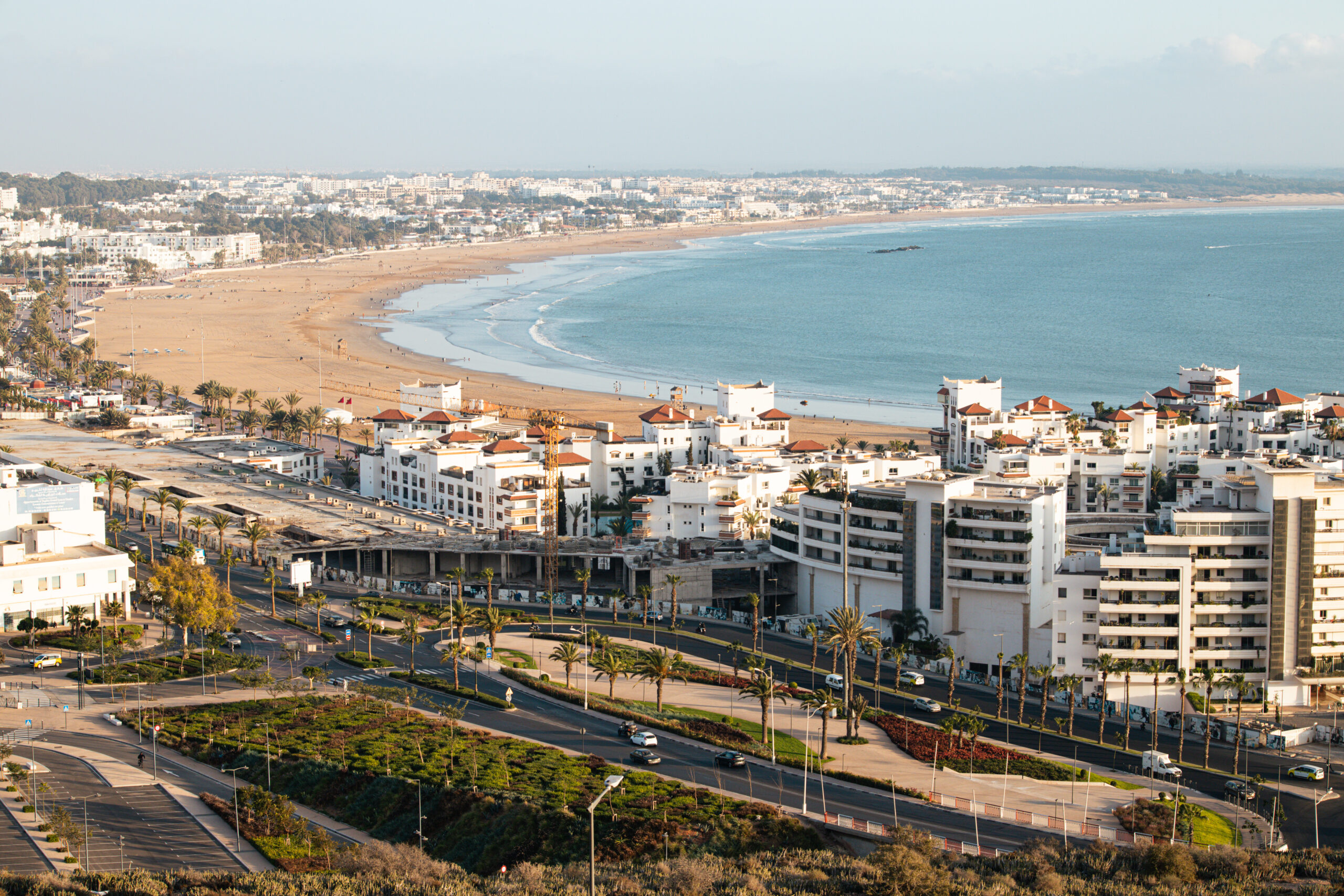
Agadir represents a different face of Morocco. It is a city shaped by the ocean, light, and openness rather than by ancient walls or dense medinas. Known for its long Atlantic coastline and modern layout, Agadir attracts visitors who are interested in a relaxed rhythm of life and a contemporary urban environment.
People visit Agadir to experience Morocco in a calmer, more spacious way. The city is known for its balance between everyday Moroccan life and international influence. It does not rely on heavy historical symbolism but instead offers comfort, clarity, and accessibility. Agadir is worth visiting for travelers who want to understand Morocco’s modern coastal identity and its relationship with the Atlantic world.
Where Is Agadir & Why Its Location Matters
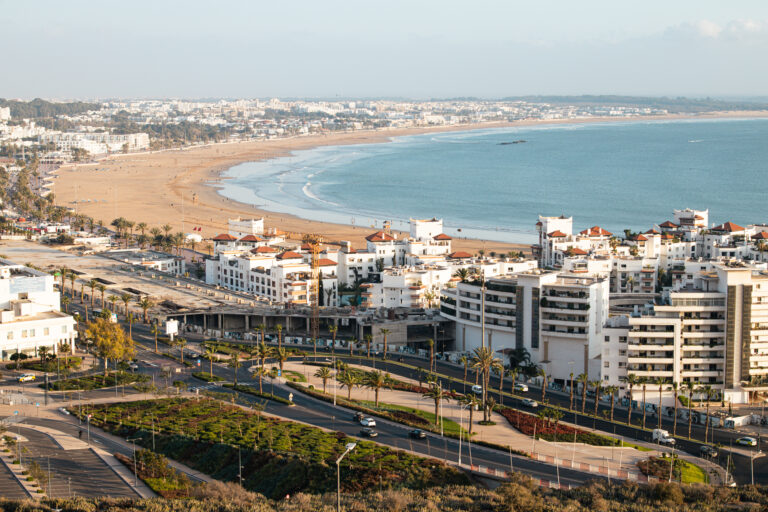
Agadir is located in southern Morocco on the Atlantic coast, at the edge of the Souss plain. The city faces the ocean directly, with wide beaches stretching along its shoreline, while inland areas lead toward the Anti-Atlas mountains.
This location shaped Agadir’s development. The Atlantic Ocean made it an important fishing and trade center, while the fertile Souss region supported agriculture and settlement. Agadir also serves as a gateway between southern Morocco and the rest of the country, connecting coastal life with inland regions.
The coastal setting strongly influences lifestyle and climate. Ocean air moderates temperatures, and daily life often follows the rhythm of tides, daylight, and weather rather than strict urban schedules.
Short but Meaningful History & Cultural Context
Agadir’s history differs from that of Morocco’s imperial cities. While the area was settled for centuries, the modern city was largely rebuilt after a devastating earthquake in 1960. This event reshaped Agadir completely and explains its modern appearance today.
After the earthquake, Agadir was reconstructed with wide streets, modern infrastructure, and a focus on safety and functionality. This rebuilding process created a city that looks forward rather than backward, while still respecting regional Amazigh heritage.
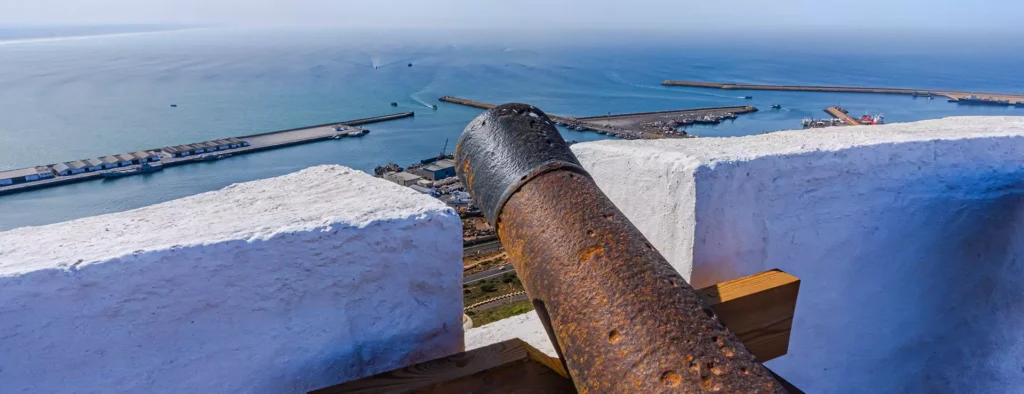
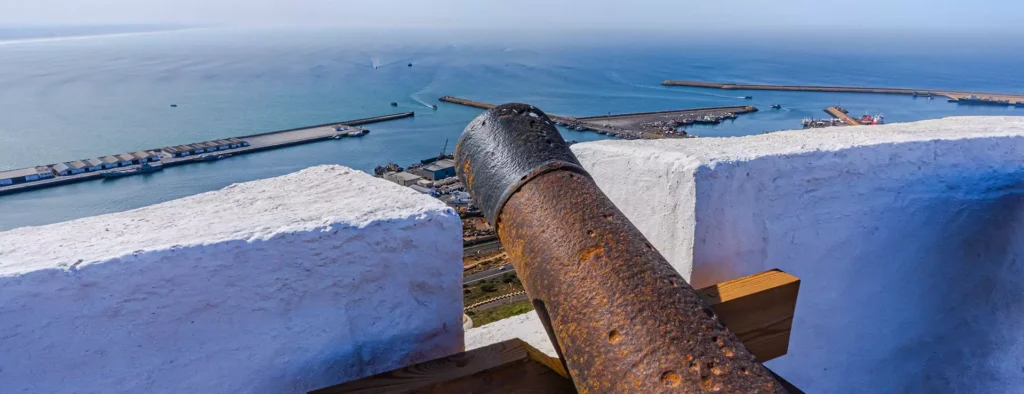
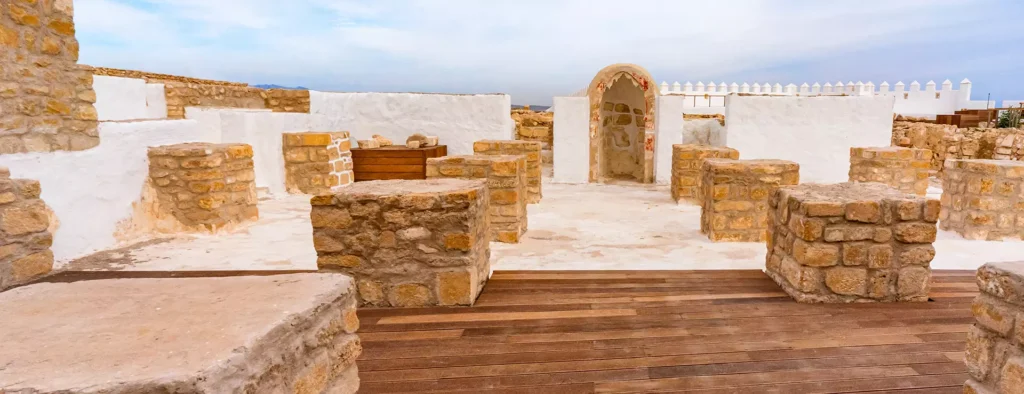
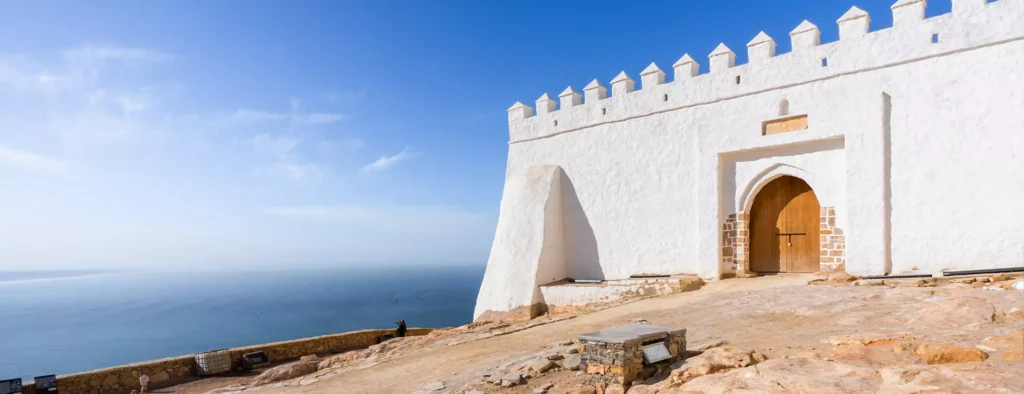
Above the city stand the remains of the Kasbah of Agadir Oufella, which overlook the coastline and remind visitors of Agadir’s earlier history. The contrast between the ruins and the modern city below reflects Agadir’s story of resilience and renewal.
Atmosphere & Daily Life
Daily life in Agadir is generally calm and open. Mornings start with activity along the coast, in markets, and in residential neighborhoods. The city feels less dense than many other Moroccan cities, with space, light, and wide roads shaping movement.
Afternoons are relaxed, influenced by weather and outdoor life. Evenings bring social activity along promenades and public spaces. The soundscape is softer, often dominated by ocean waves, traffic at a distance, and everyday conversations.
Moroccan expressions such as salam alaykoum, labas?, and bslama are part of daily interaction, reflecting a friendly and welcoming atmosphere.
Culture, Traditions & Local Mentality
Agadir reflects a blend of Amazigh heritage and modern Moroccan culture. The surrounding Souss region has a strong Amazigh identity, visible in language, customs, and social values.
The local mentality is generally relaxed, practical, and open. Hospitality remains important, but interactions tend to be informal and straightforward. Tradition exists, but it adapts easily to modern life and international influence.
Visitors often find Agadir approachable and easy to navigate, especially compared to more traditional cities.
Weather & Best Time to Travel
Agadir has one of Morocco’s most stable climates. Thanks to the Atlantic Ocean, temperatures remain moderate throughout the year. Summers are warm but rarely extreme, while winters are mild and comfortable.
Rainfall is limited, and sunshine is frequent. Because of this consistency, Agadir can be visited year-round without major climate challenges.
Weather strongly supports outdoor life, walking, and daily activities without significant seasonal disruption.
How to Get to Agadir
Agadir is accessible by air, road, and long-distance transport from other Moroccan cities. Its airport and road connections link it to both northern and southern regions.
Although it is farther from imperial cities, Agadir remains well connected and functions as a key southern gateway.
Getting Around & Transport
Agadir is easy to navigate compared to older Moroccan cities. Streets are wide, and movement is straightforward. Walking is common in coastal and central areas, while taxis and local transport connect different districts.
Distances are manageable, and the city’s layout reduces confusion and congestion.
Accommodation in Agadir
Accommodation in Agadir reflects its coastal and modern character. Different districts offer different atmospheres, from areas close to the beach to residential neighborhoods inland.
The choice of location often influences daily rhythm, access to open spaces, and proximity to the ocean.
Perfect Holiday Duration in Agadir
Agadir adapts well to both short and longer stays. A brief visit allows travelers to understand its atmosphere, while longer stays highlight its relaxed lifestyle and coastal rhythm.
The city is well suited to travelers who prefer a steady pace and open surroundings.
Agadir Dress Code & Culture
Dress in Agadir is generally relaxed and practical. Coastal influence and tourism make clothing styles more flexible than in inland cities. Casual wear is common, especially near the beach and public areas.
Modesty is still appreciated in traditional neighborhoods and public institutions. Respectful and weather-appropriate clothing aligns well with local norms.
Agadir for Solo Travelers, Couples & Families
Agadir suits many travel styles. Solo travelers often appreciate its ease of movement and calm environment. Couples enjoy the open spaces and coastal atmosphere, while families benefit from safety, space, and accessibility.
The city’s structure supports comfort and clarity for different types of visitors.
Safety Awareness in Agadir
Agadir is generally considered safe and well organized. The city’s modern planning, open spaces, and clear layout contribute to a feeling of security.
As with any city, awareness and respectful behavior are important, but daily life feels calm and predictable.
Most Popular Excursions from Agadir
Agadir’s location allows access to coastal areas, rural villages, agricultural plains, and mountain regions. These surroundings reflect the diversity of southern Morocco.
The nearby environments add depth to the understanding of Agadir as a regional hub rather than an isolated city.
Final Reflection – Why Agadir Is Worth Understanding
Agadir is a city defined by renewal, openness, and balance. It does not rely on ancient symbolism but instead represents Morocco’s ability to rebuild, adapt, and look forward.
Understanding Agadir means understanding a modern Moroccan identity shaped by the ocean, resilience, and everyday life. For travelers seeking calm, clarity, and a contemporary coastal perspective, Agadir offers a meaningful and refreshing experience.

Leave a Reply