
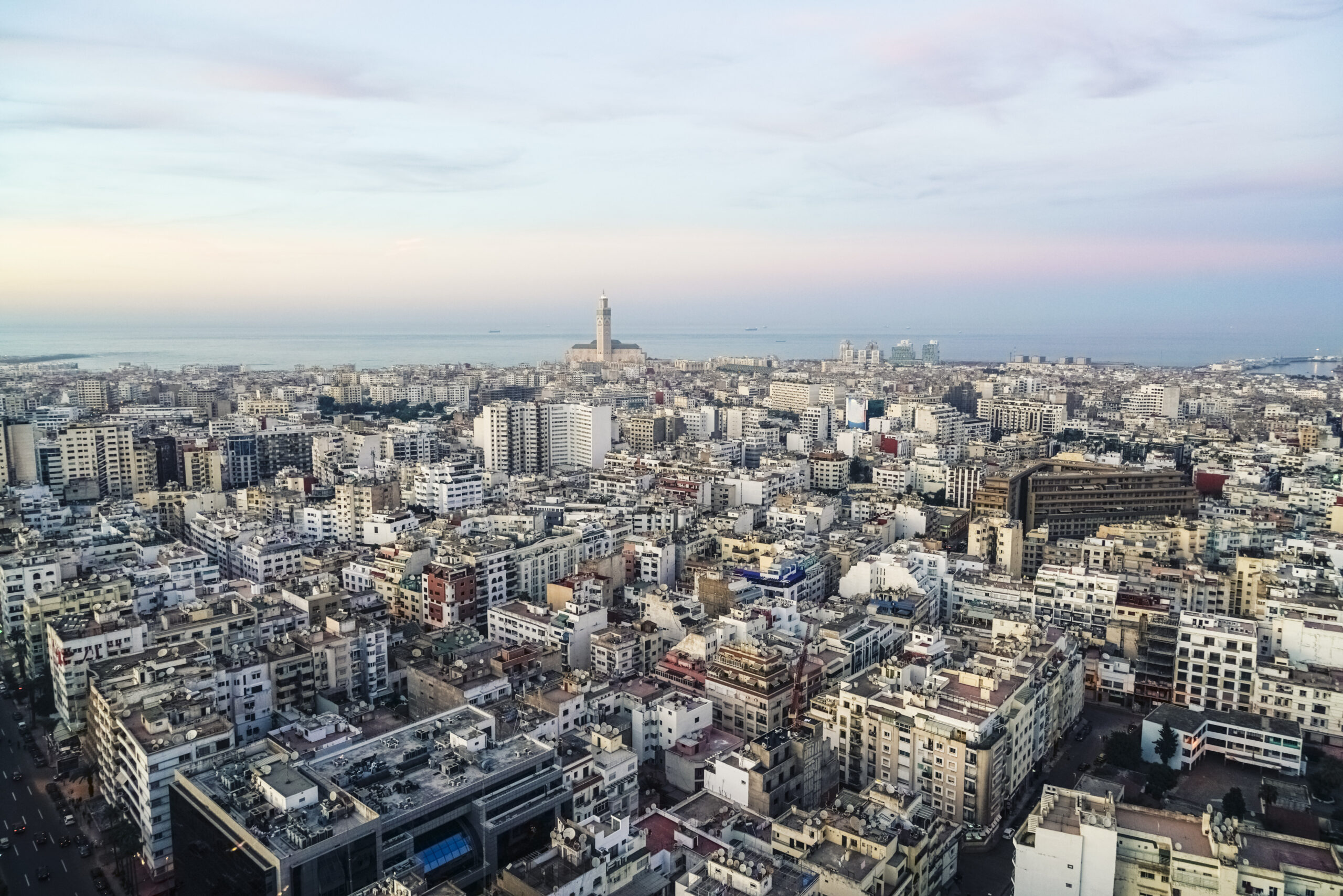
Casablanca is Morocco’s largest city and its economic center. It can feel big and fast at first, so having a simple plan helps you enjoy the city without wasting time. This 2–3 day itinerary focuses on Casablanca’s most meaningful areas: the Atlantic coastline, key city landmarks, local neighborhoods, and a realistic urban rhythm.
This itinerary is designed for smooth movement, short distances, and clear timing. It avoids rushing and helps you see Casablanca in a calm, practical way.
Before You Start: How to Use This Itinerary
Casablanca is spread out. The easiest way to save time is to group places by area:
– Coastline (Corniche / Ain Diab) for ocean atmosphere
– Central Casablanca (downtown) for architecture and city life
– Old Medina + nearby districts for local texture and daily rhythm
– Habous Quarter for a calmer, traditional-style neighborhood
If you follow the routes below, you reduce back-and-forth travel and keep each day simple.
Day 1: Casablanca’s Landmark + Downtown Route
Morning: Hassan II Mosque and the Atlantic edge
Start with the Hassan II Mosque, Casablanca’s most iconic landmark. The setting beside the Atlantic helps you understand the city’s identity: modern, coastal, and serious. Morning is usually calmer, and the light near the ocean feels clear.
After the mosque area, take a short walk along the nearby seaside space to absorb the Atlantic mood before returning inland.
Midday: Central Casablanca and city rhythm
Move into central Casablanca for an urban walk. This is where you feel Casablanca as a working city: wide streets, daily movement, cafés, and a modern pace. Focus on the downtown atmosphere rather than trying to “collect” too many stops.
If you enjoy architecture, central areas are known for Art Deco buildings and early 20th-century urban design. Looking up at balconies and façades can make this part surprisingly rewarding.
Late afternoon: Mohammed V Square area
Spend time around Mohammed V Square to see administrative Casablanca and its structured side. This area helps you understand why Casablanca feels different from Marrakesh or Fez. It is less about a medina maze and more about modern Morocco.
Evening: Corniche (Ain Diab) for the ocean atmosphere
Finish Day 1 at the Corniche in Ain Diab. Even a simple walk here changes how you feel about Casablanca. The ocean breeze softens the day, and the city’s energy becomes calmer near the water.
Day 2: Old Medina + Habous Quarter Route
Morning: Old Medina with realistic expectations
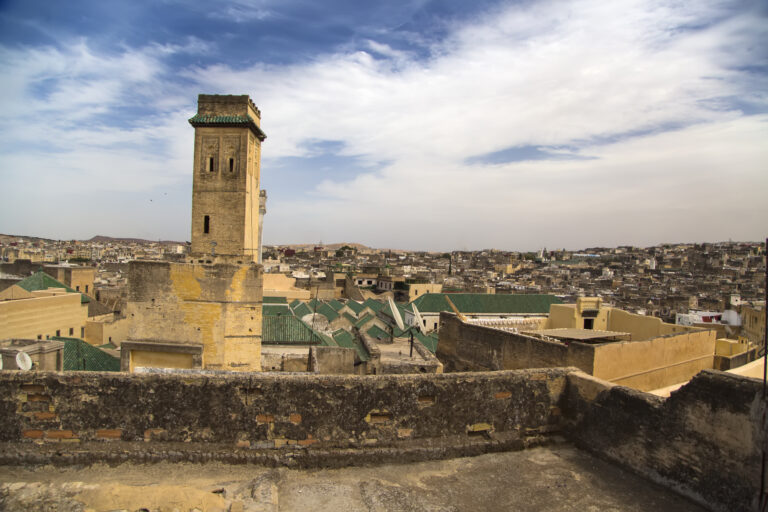
Start in the Old Medina of Casablanca. It is smaller and more practical than the medinas of Fez or Marrakesh, but it shows real local life inside a modern city. Morning is easier for walking and orientation.
This area is best for observing everyday movement. You may hear simple Moroccan words like salam alaykoum, labas?, and shukran in daily exchanges.
Midday: Move to the Habous Quarter (New Medina)
Then go to the Habous Quarter, often called the New Medina. This is one of the most time-saving choices in Casablanca because it offers a calmer, more structured environment than the Old Medina.
Habous is a good place for slow walking and a more traditional atmosphere without feeling overwhelmed. It helps many travelers “connect” with Casablanca in a more relaxed way.
Afternoon: Choose one cultural pause, not five rushed stops
Use the afternoon for one calm cultural moment: a longer café break, a quiet walk, or a focused neighborhood feel. Casablanca is not a city where you must fill every hour. The city makes more sense when you give it space.
Evening: Downtown evening walk
Finish with a short evening walk in a central area you already know. Repeating one familiar route is a smart way to save time and reduce stress.
Day 3 (Optional): Day Trip or a Softer Casablanca Day
If you have a third day, you have two good options. Choose based on your travel style.
Option A: A day trip for contrast
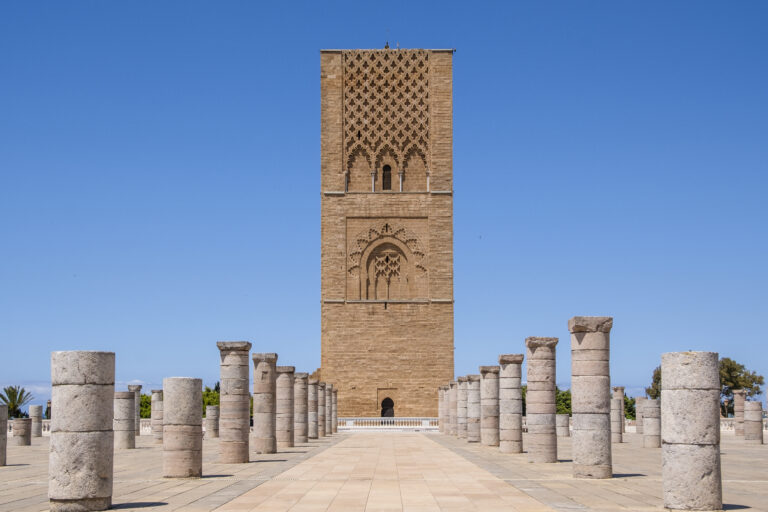
A short day trip helps you understand Casablanca’s role in the region. Many travelers choose Rabat for a calmer capital atmosphere, or El Jadida for a smaller Atlantic town feeling. This creates contrast and makes Casablanca clearer in your mind.
Option B: A slower Casablanca day
If you prefer staying in the city, use Day 3 to repeat what felt best: more coastline time, a longer downtown walk, or a second pass through Habous. Casablanca often becomes more enjoyable on the second look.
Time-Saving Tips Built into the Routes
– Group by area: coastline on one day, medina zones on another
– Do the mosque early: calmer morning rhythm
– Keep afternoons flexible: Casablanca is better with breathing space
– Repeat one familiar route: it saves time and lowers stress
– Avoid chasing distant points: the city’s size can waste your day
Frequently Asked Questions
Is 2 days enough for Casablanca?
Yes. Two days is enough to explore the Hassan II Mosque, downtown Casablanca, the Old Medina, the Habous Quarter, and the Corniche without rushing.
Should I plan 3 days in Casablanca?
Three days allow for a slower pace or a short day trip to places like Rabat or El Jadida, giving more context to your Casablanca itinerary.
What is the best way to organize a Casablanca itinerary?
Group attractions by area. Explore the coastline on one day and central districts like the Old Medina and Habous on another to avoid unnecessary travel time.
Is Casablanca walkable for visitors?
Some districts are very walkable, but Casablanca is a large city. Short taxi or tram rides between zones can help save time.
Is Casablanca better as a short stop or a full stay?
For many travelers, Casablanca works well as a two-day city experience. It can also serve as a base for exploring Morocco’s Atlantic coast.
What makes this itinerary time-saving?
The itinerary groups locations by neighborhood and suggests logical movement routes, reducing back-and-forth travel across the city.

Leave a Reply