
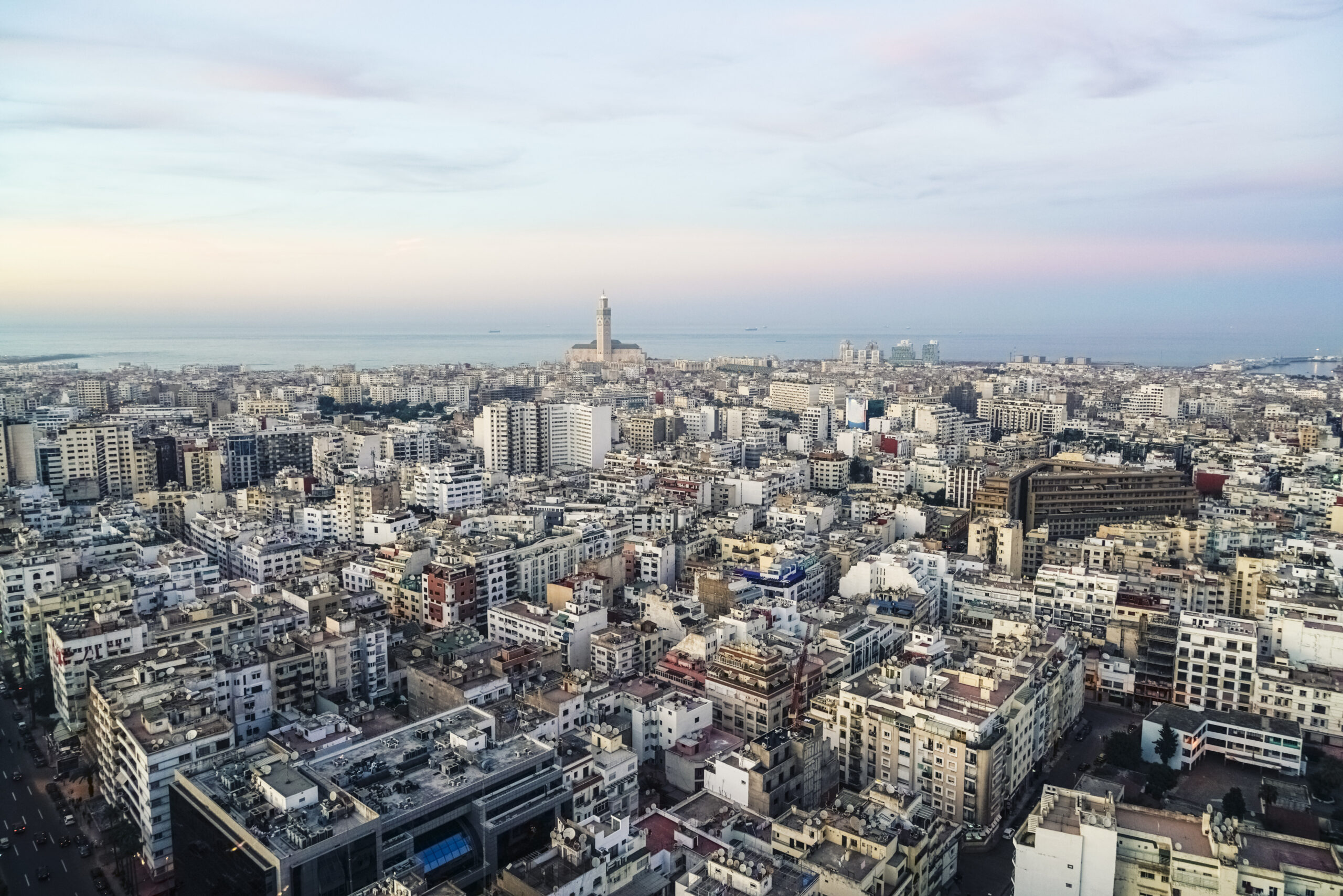
Casablanca is Morocco’s largest city and its economic center. Because it is big, fast, and highly urban, many travelers planning a trip in 2026 ask the same question: Is Casablanca safe for tourists? The calm answer is that Casablanca is generally safe, but it works like most large cities—comfort and safety depend on awareness, location, and how you move through busy spaces.
This article explains Casablanca safety in a practical way: what “safe” means in daily life, what common scams look like, which areas feel easier for visitors, and what simple habits reduce stress without turning your trip into a list of fears.
How Safe Is Casablanca for Tourists in 2026?
For most visitors, Casablanca feels safe enough to explore without major worry. Serious incidents involving tourists are not common, and daily life is stable and organized, especially in central districts. What people usually experience are small-city problems, not dangerous situations: pickpocketing risk in crowds, occasional pushy interactions, and confusion with taxis or informal help.
Casablanca is not a “tourist bubble.” It is a real working city. That is why it can feel intense at first, but intensity is not the same as danger. Travelers who treat it like a big city—moving with purpose, using well-known routes at night, and staying calm—typically have a smooth experience.
Common Scams in Casablanca (What They Look Like in Real Life)
Most scams in Casablanca are low-level and based on confusion or politeness. They usually happen in tourist-facing areas and are easier to manage once you know the patterns.
1) “Friendly help” that becomes paid help
A stranger offers to guide you, show you a shortcut, or help you find a place. Later, they ask for money or pressure you. This is more likely in busy zones and near older streets where visitors look lost.
2) Taxi misunderstandings
Visitors sometimes face confusion about pricing, routes, or whether the driver uses the meter. This is common in many large cities. A simple, calm confirmation before you get in helps avoid frustration.
3) Overpriced small purchases in high-traffic spots
In crowded areas, some vendors may quote high prices first. This is not dangerous, but it can feel uncomfortable if you are not expecting it.
4) Distraction theft in crowds
Pickpocketing is most likely in dense places: busy sidewalks, markets, transport hubs, and anywhere people stand close together. It is usually opportunistic, not aggressive.
The most useful mindset is this: scams in Casablanca are usually annoying, not threatening. Your goal is to reduce confusion and avoid getting pulled into long conversations when you are unsure.
Areas in Casablanca That Feel Easiest for Tourists
Casablanca is large, and neighborhood feel matters. Some areas feel simpler for visitors because they are more structured, more walkable, or more familiar.
Central and structured districts
Parts of Sidi Belyout and the central downtown areas feel active and organized, with offices, cafés, and regular city movement.
Maarif and Gauthier
Maarif and Gauthier are known for a modern city feel. They tend to feel more predictable and comfortable for travelers who prefer a contemporary urban environment.
Corniche and Ain Diab
The coastline around Ain Diab and the Corniche often feels relaxed because it is open, breezy, and easy to navigate. It can get busier at peak times, but it is generally straightforward.
Habous Quarter
The Habous Quarter (New Medina) is a calmer, more structured place for visitors who want traditional atmosphere without the intensity of larger medina zones.
No area is “perfect,” but these districts often feel easier for first-time visitors.
Areas Where Visitors Should Use Extra Awareness
Casablanca is not a city where you need to be scared, but some situations require more attention—mainly because of crowds, traffic, or limited visibility at night.
– Very crowded streets where you feel pressed in
– Quiet streets late at night where you are unsure of direction
– Places where you are stopped repeatedly by strangers offering help
This is not about “danger zones.” It is about reducing stress and limiting unnecessary exposure to pushy interactions.
Safety for Solo Travelers, Couples, and Families
Solo travelers
Casablanca is generally manageable for solo travelers, including solo women, when you apply basic big-city habits. You may get more attention in certain areas, but it is usually verbal and commercial, not physical. Confidence, calm refusal, and clear boundaries matter more than anything else.
Couples
Couples usually blend in easily. Casablanca is socially conservative compared to many Western cities, so discreet public behavior is a respectful choice and often reduces attention.
Families
Families tend to feel comfortable in Casablanca. The main family concern is not crime, but traffic and crowds. Watching children closely near roads and in dense areas is the most important safety habit.
Common-Sense Safety Habits That Work in Casablanca
These habits are simple, non-dramatic, and realistic. They help you feel comfortable without changing your personality.
– Keep valuables secure in crowded places
– Avoid looking lost for long periods; step aside and check directions calmly
– Use well-lit streets at night and return with purpose
– Say “no” politely but firmly to unwanted help
– Confirm taxi basics calmly before you start moving
– If something feels confusing, slow down instead of arguing
In Moroccan daily language, a calm “la, shukran” (no, thank you) often works better than a long explanation.
Final Perspective: Is Casablanca Safe in 2026?
Casablanca is generally safe for tourists in 2026, especially when you treat it like a large city. Most problems are minor and avoidable: crowd-related pickpocketing risk, pushy interactions, and small misunderstandings. With a calm attitude and basic awareness, many travelers find Casablanca easier than they expected—and a valuable way to understand modern Morocco.
Frequently Asked Questions
Is Casablanca safe for tourists in 2026?
Casablanca is generally safe for tourists in 2026. Most issues are minor and related to crowds, pushy interactions, or simple misunderstandings rather than serious crime.
What are the most common scams in Casablanca?
Common scams include “friendly help” that becomes paid help, taxi misunderstandings, overpriced small purchases in busy areas, and distraction theft in crowded places.
Which areas feel easiest for visitors in Casablanca?
Many visitors feel comfortable in central districts, Maarif, Gauthier, the Corniche and Ain Diab, and the Habous Quarter because these areas tend to be structured and easier to navigate.
Is Casablanca safe for solo travelers?
Casablanca is generally manageable for solo travelers when you use basic big-city habits, stay aware in crowds, and avoid getting pulled into unwanted “help” situations.
What is the biggest safety risk in Casablanca?
The most common risk is pickpocketing in crowded places, along with traffic and the stress of navigating a large city quickly.
What simple habits help tourists stay comfortable?
Keep valuables secure in crowded areas, use well-lit routes at night, say “no” politely but firmly to unwanted help, confirm taxi basics calmly, and slow down if a situation feels confusing.


Leave a Reply