
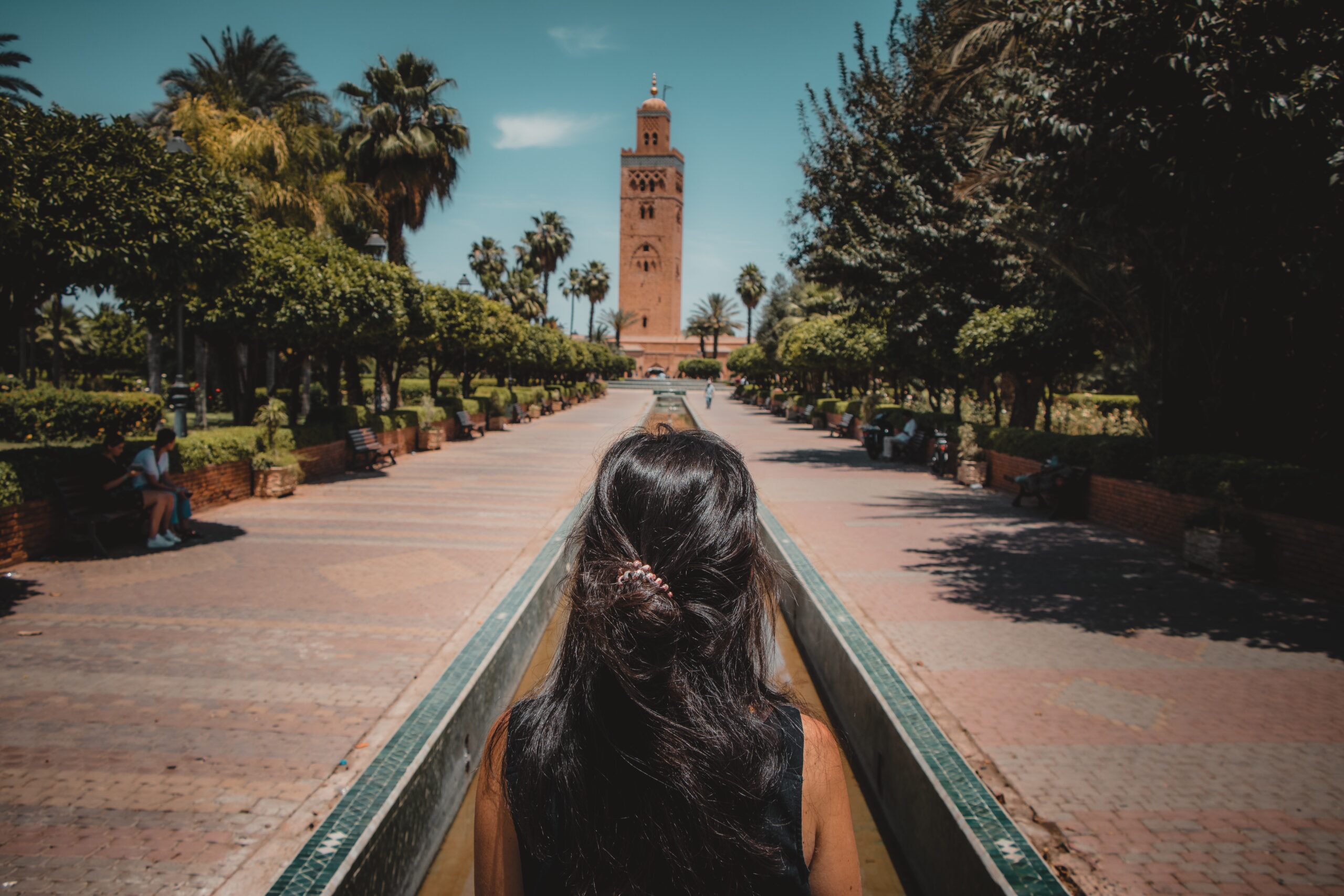
Marrakech can feel intense on a first visit. The city is full of movement, sounds, and contrasts, and it is easy to lose time without a clear plan. A good 2–3 day Marrakech itinerary is not about doing everything. It is about choosing a few strong experiences each day, grouping places that are close to each other, and leaving space for breaks.
This itinerary is designed to be realistic and time-saving. It follows simple geographic logic: keep the Medina together, avoid crossing the city too many times, and plan around Marrakech’s heat by using mornings and evenings wisely.
Before You Start: How to Use This Itinerary
Marrakech works best when you accept a slower rhythm.
– Start early when the city is calmer
– Keep midday lighter when heat is higher
– Plan your longer walks in the morning
– Use evenings for atmosphere and open-air time
Also, remember that in the Medina, navigation is slower than on a map. Distances look short but walking takes time because lanes are narrow and busy.
Day 1: Medina Core + First Marrakech Atmosphere
Morning: Koutoubia Area + Easy Entry Into the Old City
Start near the Koutoubia area. This gives you open space and helps you enter Marrakech gently before moving into tighter streets.
Then walk toward the Medina at a calm pace. This first morning is not about rushing. It is about absorbing the city’s rhythm.
Late Morning: Souks Walk (One Long Session, Not Many Small Ones)
The best time-saving choice is to do the souks in one focused block. The souks are a network, and re-entering them multiple times can waste energy.
Walk slowly, take a break if needed, and keep your mindset relaxed. If someone offers help you did not ask for, a simple “la, shukran” is often enough.
Afternoon: Calm Pause + Short Historic Site
Midday is a good moment to slow down. Marrakech heat can build, even outside summer. After a pause, choose one major historic visit close to the Medina core, so you avoid long transfers.
Evening: Jemaa el-Fnaa for the Full City Mood
End Day 1 at Jemaa el-Fnaa. Evening is when the square becomes most alive. Even a short visit helps you understand Marrakech’s identity.
A useful approach is to observe first, then move. You do not need to accept every interaction.
Day 2: Palaces, Gardens, and a Quieter Marrakech Layer
Morning: Historic Sites Cluster (Keep Them Close)
Day 2 works best when you group historic locations in the same zone. This saves time and reduces walking fatigue.
Choose a sequence of sites that are close to each other, and start early to avoid crowds and heat.
Late Morning: A Slow Walk Through a Different Medina Mood
After major historic visits, shift into a calmer medina walk. Some parts of Marrakech feel more local and less intense. These walks are valuable because they show daily life beyond the biggest tourist lanes.
Afternoon: Garden Time or a Calm Space
Marrakech becomes easier when you include one calm natural space. Gardens are not only “pretty.” They help you recover and experience the city with a softer rhythm.
Evening: A Rooftop Moment
A simple rooftop evening with mint tea (atay) can become one of the best memories of Marrakech. It gives you distance from the noise while still feeling the city’s energy.
Day 3 (Optional): Modern Marrakech + A Different Side of the City
If you have three days, Day 3 is the best time to see Marrakech beyond the Medina.
Morning: Gueliz for a Modern Contrast
Gueliz has wider streets and a more modern city mood. Walking here feels very different from the Medina. It can be a good “reset day,” especially if you felt overwhelmed on earlier days.
Midday: A Slow Lunch and Rest
Use midday for a longer pause. Marrakech rewards travelers who rest instead of forcing extra sights.
Afternoon: Flexible Time for What You Missed
This is the right time to return to something you skipped, revisit a calmer area, or do a final short souk walk without pressure.
Day 3 works best when it stays flexible.
Common Timing Mistakes That Waste Time in Marrakech
These are small habits that often create stress:
– Crossing between Medina and modern districts multiple times in one day
– Doing the souks in short scattered sessions
– Walking long distances at midday in heat
– Trying to “finish” Marrakech like a checklist
A better approach is to group areas and move slowly.
Final Perspective: The Best 2–3 Days in Marrakech Feel Balanced
A strong Marrakech itinerary is not packed. It is structured. When you keep the Medina together, rest during the hottest hours, and use evenings for atmosphere, Marrakech feels less overwhelming and more rewarding.
In 2–3 days, you can experience Marrakech’s historic heart, its daily life, and its softer quieter moments, without feeling rushed.
Frequently Asked Questions
Is 2 days enough for Marrakech?
Two days can cover the Medina core and key highlights, but three days usually feels more comfortable because you can move slower and take more breaks.
What is the most time-saving way to explore the souks?
It is usually better to do the souks in one longer session rather than multiple short visits, because re-entering and re-navigating can waste time and energy.
When should I visit Jemaa el-Fnaa?
Late afternoon and evening are when the square becomes most active. Even a short visit at that time gives the strongest atmosphere.
How do I avoid getting exhausted in Marrakech?
Start early, keep midday lighter, take breaks, and plan longer walks in the morning. Marrakech often feels easier when you follow the city’s heat rhythm.
Should I stay only in the Medina during a short trip?
Staying close to the Medina can save time because many highlights are there, but a short visit to modern areas can be a good contrast if you have three days.
Is Marrakech walkable for this itinerary?
Yes, but walking in the Medina is slower than expected. The key is to group nearby areas and avoid crossing the city multiple times in one day.

Leave a Reply