
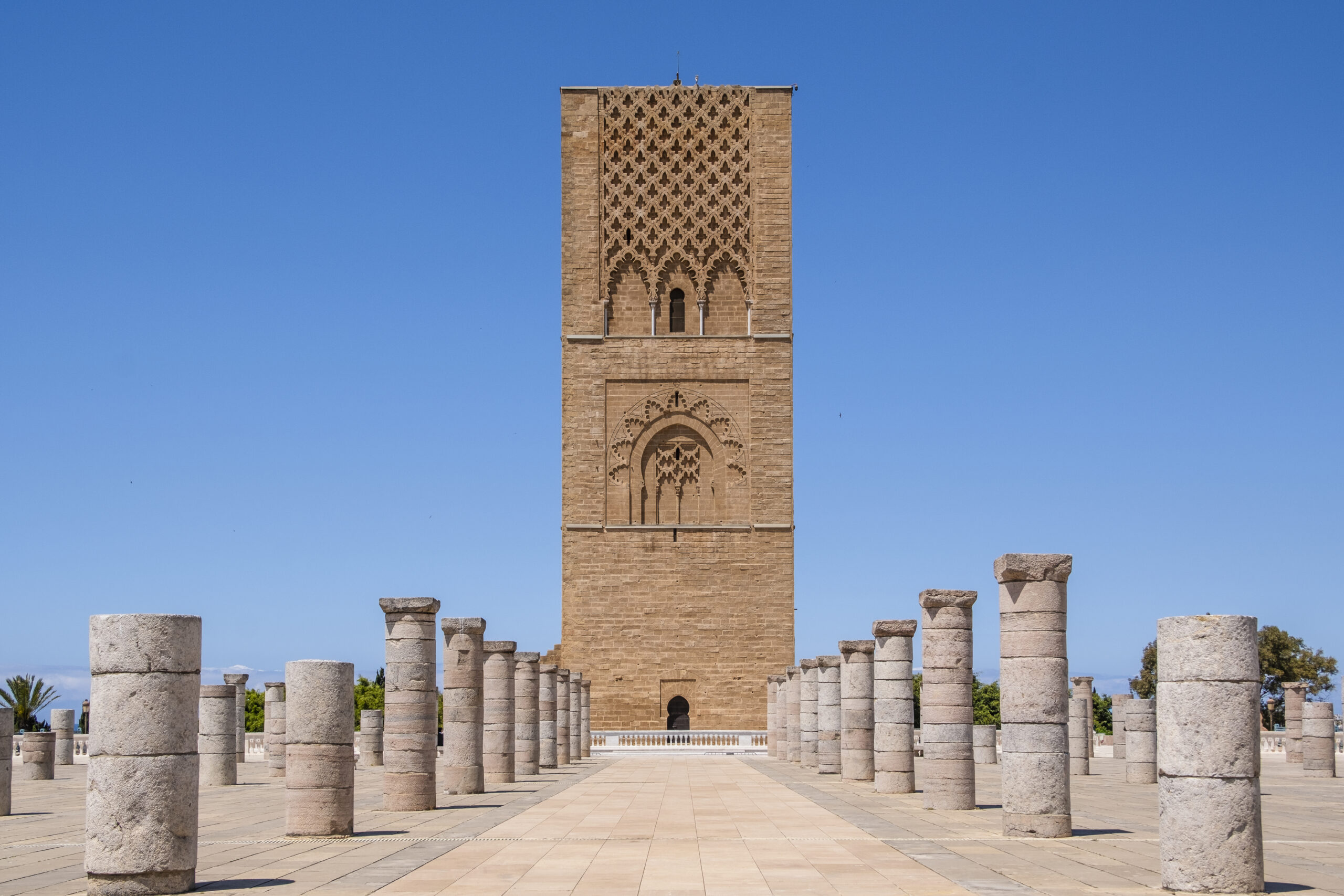
Rabat is Morocco’s capital, and it often feels calmer and more organized than other major cities. Because it sits on the Atlantic coast, Rabat has a mild climate compared to inland destinations like Marrakesh or Fez. That makes Rabat a flexible city to visit year-round, but the experience still changes by season.
The best time to visit Rabat depends on what you want most: comfortable walking weather, fewer crowds, or better value. This guide explains Rabat’s seasons in a clear, realistic way, focusing on weather comfort, how busy the city feels, and typical price trends.
Understanding Rabat’s Climate and City Rhythm
Rabat has an Atlantic coastal climate. Temperatures are generally moderate, and the ocean influence helps reduce extremes. The city is also a working capital, so it keeps a steady rhythm in most seasons. It does not “shut down” for tourism, and it rarely feels overwhelmed the way some peak tourist destinations can.
Season matters mainly for comfort outdoors, evening temperatures, and how lively coastal areas feel.
Spring (March to May): Comfortable and Balanced
Spring is one of the most pleasant times to visit Rabat. Temperatures are mild, the air often feels fresh, and walking between neighborhoods is comfortable. This season is especially good if you want to explore the city on foot and spend time near the ocean without strong heat.
Crowds are usually moderate. Rabat can feel lively but not crowded, even during busier travel weeks. Prices tend to be stable, with slight increases during popular holiday periods.
Spring suits travelers who want the best overall balance across weather, movement, and atmosphere.
Summer (June to August): Warmer, But Manageable on the Coast
Summer in Rabat is warmer, but it is still easier than inland cities because of Atlantic breezes. Days can feel sunny and bright, and evenings often become pleasant near the coastline.
Crowds can increase, especially with domestic travel and school holidays, but Rabat usually feels more controlled than beach-only destinations. Prices may rise slightly in popular periods, especially for central and coastal locations.
Summer works well if you enjoy long days, coastal walks, and a more energetic city mood, while staying realistic about heat during midday.
Autumn (September to November): Calm, Clear, and Often Underrated
Autumn is a strong season for Rabat. Temperatures begin to soften after summer, the city feels calmer, and the overall atmosphere becomes more relaxed. Many travelers like autumn because it often brings comfortable days and a steady rhythm without peak-season pressure.
Crowds tend to drop after summer. Prices often stabilize, and it can feel like a good value season, especially outside short holiday weeks.
Autumn suits travelers who want comfort and calm, with a more local daily-life feel.
Winter (December to February): Mild, Quieter, and Sometimes Rainy
Winter in Rabat is generally mild, especially compared to many European cities. The main change is that rain becomes more frequent, and evenings can feel cool. Outdoor time is still possible most days, but you may want a flexible plan that includes indoor cafés and slower pacing.
Crowds are lower in winter, which makes the city feel spacious and relaxed. Prices are often more favorable outside holiday periods, and many travelers enjoy Rabat’s calm winter rhythm.
Winter suits travelers who prefer quieter streets, softer costs, and do not mind occasional rainy days.
Choosing the Best Season Based on Your Travel Style
– If you want the most comfortable walking weather: spring or autumn
– If you want long bright days and coastal energy: summer
– If you want fewer visitors and a calmer city feel: winter
Rabat is rarely a difficult destination by season. The experience changes, but the city stays functional and welcoming throughout the year.
Final Perspective: When Is the Best Time to Visit Rabat?
For many travelers, spring and autumn offer the best balance of comfort and atmosphere. Summer can be enjoyable thanks to the Atlantic influence, while winter offers a quieter, slower Rabat with more flexible prices.
The best time to visit Rabat depends on your comfort with temperature and how busy you want the city to feel. There is no single wrong season, only different moods.
Frequently Asked Questions
What is the best season to visit Rabat?
Spring and autumn are often the most comfortable because temperatures are mild and the city feels balanced and easy to walk.
Is Rabat too hot in summer?
Summer is warmer, but Rabat is usually more manageable than inland cities thanks to Atlantic breezes, especially in the evenings.
Does Rabat get crowded in peak season?
Rabat can get busier in summer and holiday weeks, but it often feels calmer than many major tourist cities in Morocco.
Is winter a good time to visit Rabat?
Yes, if you prefer fewer visitors and a calmer city rhythm. Expect cooler evenings and occasional rainy days.
When are prices highest in Rabat?
Prices may rise during summer holidays and busy travel weeks, especially in central areas and locations closer to the coast.
How many days are ideal for Rabat in any season?
Many travelers find that two to three days is enough to experience Rabat’s atmosphere without rushing, regardless of season.

Leave a Reply