
Why Visit Tangier?
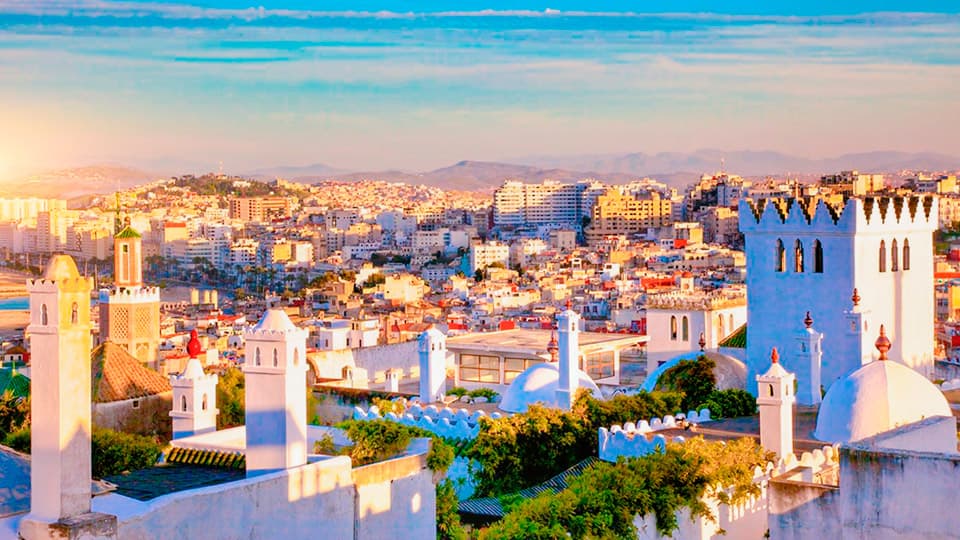
Tangier holds a unique place in Morocco. It is a city defined by crossings—between Africa and Europe, the Atlantic Ocean and the Mediterranean Sea, tradition and modern life. For centuries, Tangier has been a meeting point for traders, diplomats, artists, and travelers drawn by its position and spirit.
People visit Tangier to understand Morocco through openness and exchange. The city feels outward-looking and curious, shaped by many influences yet firmly Moroccan. Daily life mixes local routines with international movement, creating an atmosphere that feels different from inland cities. Tangier is worth visiting for travelers who want context, perspective, and a sense of connection beyond borders.
Where Is Tangier & Why Its Location Matters
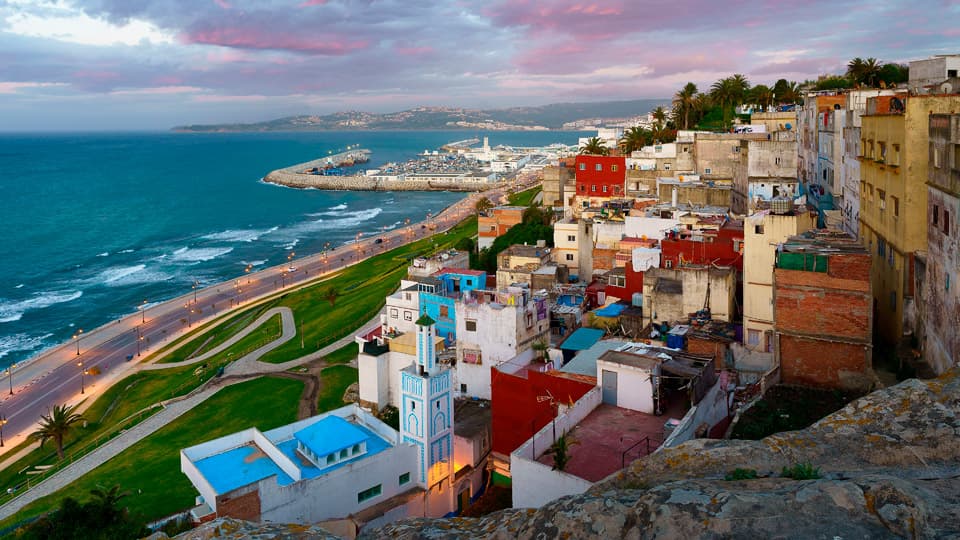
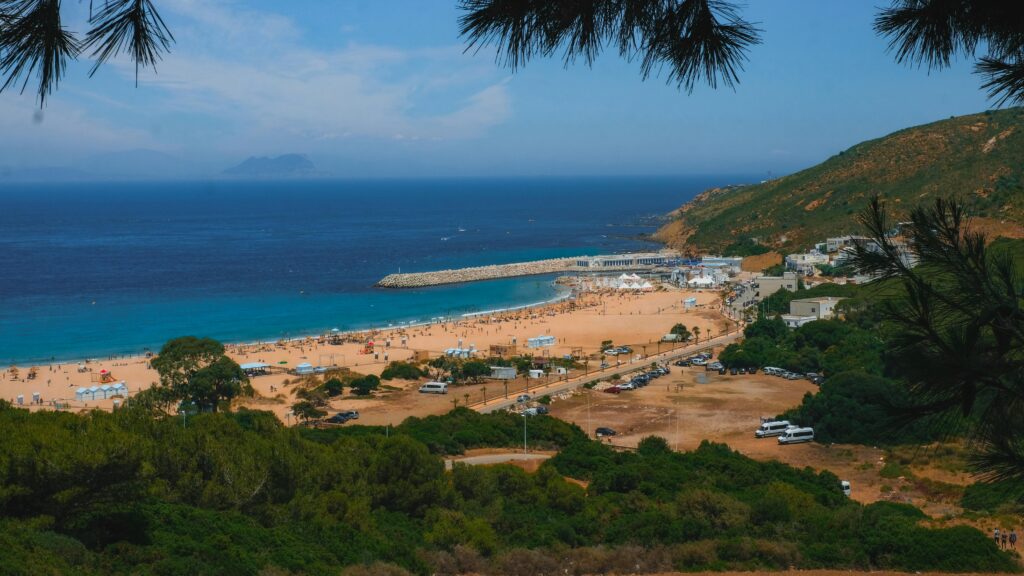
Tangier is located in northern Morocco, directly facing southern Europe across the narrow Strait of Gibraltar. It sits where the Atlantic Ocean meets the Mediterranean Sea, giving the city a rare geographic identity.
This position shaped Tangier’s history and character. Control of sea routes brought attention from many powers, while proximity to Europe encouraged trade, migration, and cultural exchange. The city developed as a port, a diplomatic center, and a point of passage rather than an imperial capital.
Even today, geography influences daily life. The sea is always present, weather changes quickly, and movement feels constant. Tangier’s location explains its openness, diversity, and international rhythm.
Short but Meaningful History & Cultural Context
Tangier’s history is layered and complex. It has been influenced by Phoenicians, Romans, Arab dynasties, European powers, and modern Morocco. For much of the 20th century, Tangier held a special international status, which left lasting cultural and architectural traces.
This international period attracted writers, artists, and thinkers from around the world, adding to Tangier’s reputation as a city of ideas and encounters. After joining fully with the Moroccan state in the mid-20th century, Tangier continued to evolve while preserving its distinctive identity.
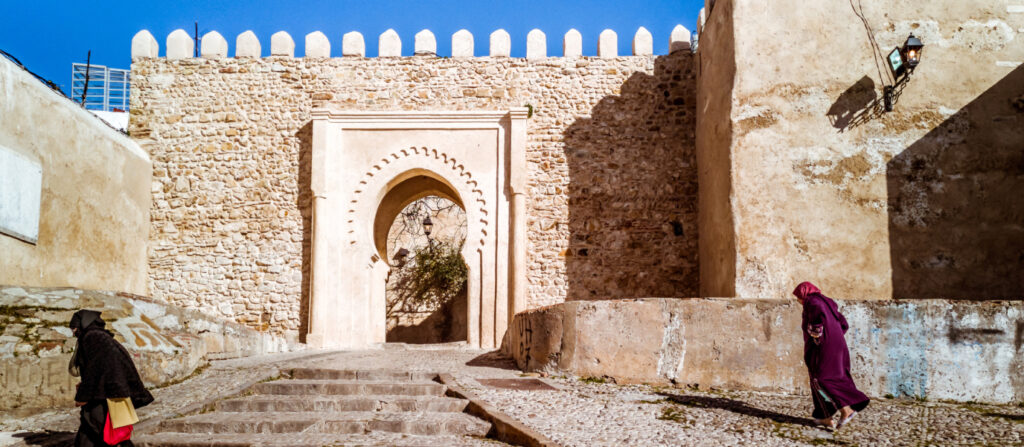
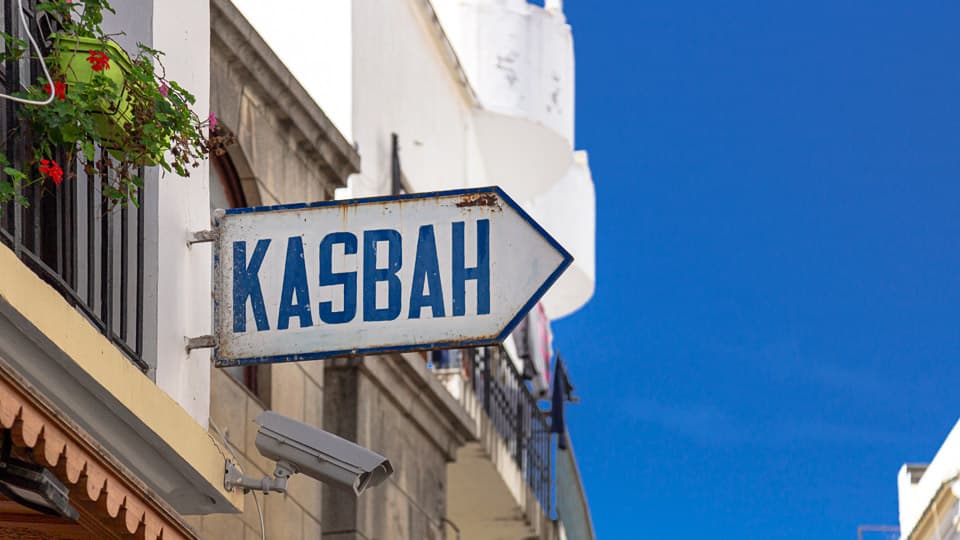
Historic areas such as the Kasbah of Tangier reflect the city’s strategic role, while the medina shows everyday life shaped by centuries of exchange.
Atmosphere & Daily Life
Daily life in Tangier feels fluid and open. Mornings begin calmly, with cafés filling and neighborhoods waking gradually. The pace is generally lighter than in major economic centers, though port activity brings constant movement.
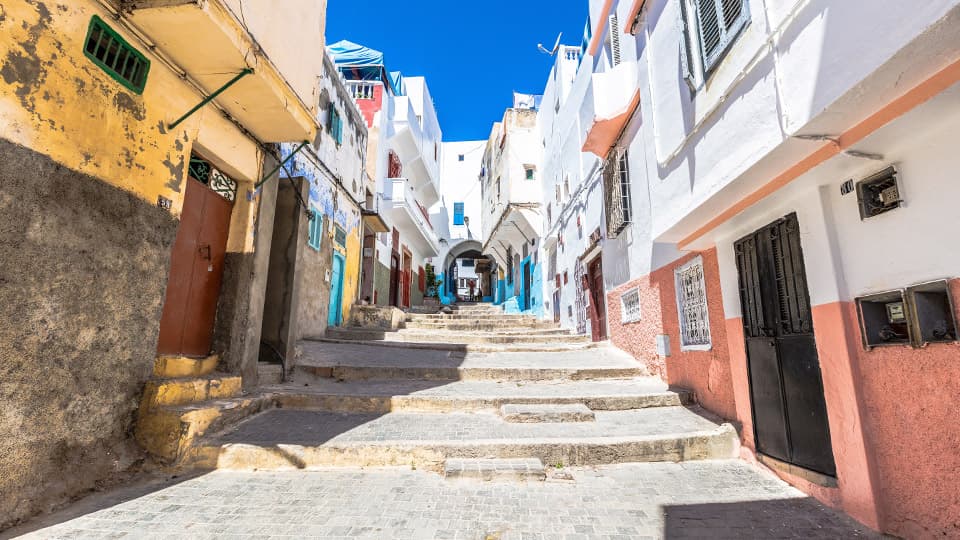
The medina is compact and walkable, blending homes, shops, and public spaces. Outside the historic core, modern districts offer wider streets and contemporary living. The city often feels breezy, both physically and socially, influenced by the sea and changing light.
Sounds are softer than in larger cities. Conversations, footsteps, and distant traffic mix with the sound of wind and waves. Moroccan expressions such as salam alaykoum, labas?, and bslama remain part of everyday interaction.
Culture, Traditions & Local Mentality
Tangier reflects a mentality shaped by openness and contact. People are used to visitors, movement, and cultural diversity. This creates a social atmosphere that is generally relaxed and adaptable.
Traditional Moroccan values such as hospitality, respect, and family remain important. At the same time, international influence has shaped communication styles and daily habits. Languages mix easily, and cultural curiosity is common.
Visitors often find Tangier welcoming and relatively easy to navigate, especially when they approach interactions with calm respect and openness.
Weather & Best Time to Travel
Tangier has a Mediterranean climate with Atlantic influence. Summers are warm but moderated by sea breezes, while winters are mild and sometimes rainy. Weather can change quickly due to coastal winds.
Spring and autumn often feel balanced, while summer remains comfortable compared to inland cities. Because of its climate, Tangier is suitable for year-round travel.
Weather influences daily routines gently rather than dramatically, supporting outdoor movement and social life.
How to Get to Tangier
Tangier is one of Morocco’s main gateways. It is accessible by air, sea, rail, and road. Its port and transport connections link Morocco directly with Europe and the rest of the country.
This accessibility reinforces Tangier’s role as a city of passage and connection.
Getting Around & Transport
Tangier is relatively easy to move around. Walking works well in the medina and central areas, while taxis and local transport connect different neighborhoods.
The city’s layout is less dense than older imperial cities, which makes orientation easier for visitors.
Accommodation in Tangier
Accommodation in Tangier reflects its varied character. Different areas offer different atmospheres, from historic environments to modern residential districts.
Where someone stays often influences daily rhythm, views, and connection to either the sea or the old city.
Perfect Holiday Duration in Tangier
Tangier adapts well to both short and longer stays. Short visits allow travelers to understand its atmosphere, while longer stays reveal deeper layers of daily life and cultural exchange.
The city rewards slow exploration and observation.
Tangier Dress Code & Culture
Dress in Tangier is generally relaxed and practical. Coastal influence and international presence allow flexibility, especially in central and modern areas.
Modesty is still appreciated in traditional neighborhoods and religious spaces. Respectful clothing helps visitors feel comfortable in all parts of the city.
Tangier for Solo Travelers, Couples & Families
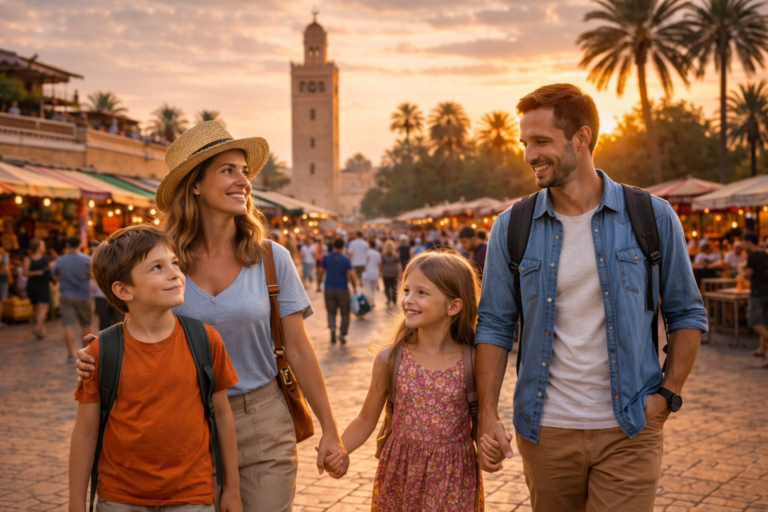
Tangier suits many travel styles. Solo travelers often appreciate its openness and walkability. Couples enjoy the city’s atmosphere and coastal views, while families benefit from calm public spaces and accessibility.
The city’s social structure supports comfort and adaptability for different visitors.
Accommodation in Tangier
Accommodation in Tangier reflects its varied character. Different areas offer different atmospheres, from historic environments to modern residential districts.
Where someone stays often influences daily rhythm, views, and connection to either the sea or the old city.
Perfect Holiday Duration in Tangier
Tangier adapts well to both short and longer stays. Short visits allow travelers to understand its atmosphere, while longer stays reveal deeper layers of daily life and cultural exchange.
The city rewards slow exploration and observation.
Tangier Dress Code & Culture
Dress in Tangier is generally relaxed and practical. Coastal influence and international presence allow flexibility, especially in central and modern areas.
Modesty is still appreciated in traditional neighborhoods and religious spaces. Respectful clothing helps visitors feel comfortable in all parts of the city.
Tangier for Solo Travelers, Couples & Families
Tangier suits many travel styles. Solo travelers often appreciate its openness and walkability. Couples enjoy the city’s atmosphere and coastal views, while families benefit from calm public spaces and accessibility.
The city’s social structure supports comfort and adaptability for different visitors.
Safety Awareness in Tangier
Tangier is generally considered safe. As with any city, awareness of surroundings is important, especially in busy areas. Serious incidents involving visitors are uncommon.
The city’s openness and steady rhythm contribute to a sense of security, especially when travelers move calmly and confidently.
Most Popular Excursions from Tangier
Tangier’s location allows access to coastal landscapes, rural areas, and northern Moroccan towns. These surroundings reflect the region’s natural and cultural diversity.
Excursions add geographic context without overshadowing the city itself.
Final Reflection – Why Tangier Is Worth Understanding
Tangier is a city of crossings, not conclusions. It connects continents, cultures, and ways of life without losing its Moroccan foundation. Understanding Tangier means understanding movement, exchange, and openness as part of identity.
For travelers who seek perspective rather than spectacle, Tangier offers clarity, balance, and a deep sense of place at the edge of two worlds.

Leave a Reply